Building Procurement Resilience Across the Energy Value Chain: Olugbenga Odunlami on Strategy, Risk, and the Future of Supply
In a sector defined by volatility, technical complexity, and global supply dependencies, procurement plays a decisive role in ensuring operational continuity and strategic growth. For Levene Energies Limited, a company active across upstream & engineering services, gas & power, trading, and renewable energy, procurement must operate with both discipline and adaptability.
Olugbenga Odunlami, Group Head of Procurement and Supply Chain at Levene Energies Limited, brings extensive experience across oil and gas, power infrastructure, and large-scale industrial projects. His career journey spans roles at General Electric and Income Electrix, where he developed deep expertise in supplier capability, contract governance, and complex project delivery. Today, he oversees procurement strategy across a diversified energy portfolio, balancing technical compliance, supplier performance, and long-term supply resilience.
In this conversation, Odunlami discusses how Levene Energies aligns procurement across multiple energy sub sectors, manages supplier risk in global markets, and builds a future ready supply chain that supports both traditional energy operations and the accelerating transition toward renewable energy.
Click below to access the digital version:
Career Journey: You’ve risen through roles in procurement and supply chain across different energy sub sectors. Can you walk us through your career journey and how your past experiences led you to your current role as Group Head of Procurement and Supply Chain at Levene Energies?
My career began at General Electric as a Buyer and Contract Administrator, where I gained a strong foundation in procurement operations and contract governance. I later transitioned into Supplier Development Engineering and became a certified SRG Auditor, which strengthened my technical understanding of supplier capability and quality systems.
GE entrusted me with increasingly complex mandates, including a recall from the GE–Transnet 465 locomotives project in South Africa to lead the one billion dollar GE Multimodal Emerald Project in Calabar, Nigeria. These experiences deepened my exposure to large scale project procurement and multi stakeholder coordination.
After GE, I joined Income Electrix, a company active across power generation, transmission, and distribution, eventually serving as General Manager, Services. The combination of oil and gas experience from GE and power sector expertise from Income Electrix positioned me well for my current role as Group Head, Procurement and Supply Chain at Levene Energies. Here I oversee procurement across upstream & engineering, gas & power, trading, and renewable energy operations.
Integrated Energy Procurement Strategy: Levene Energies operates across upstream engineering, gas & power, trading, and renewable energy. How do you align procurement strategies across these very different sub sectors to maintain cost discipline, quality, and compliance?
Aligning procurement across diverse sub sectors requires a unified framework supported by sector specific flexibility. I begin by establishing group wide policies covering cost control, commercial compliance, supplier prequalification, and HSE standards.
Each sub sector, whether upstream drilling or renewable deployment, then adapts these standards based on its operational realities. We operate a category management model that enables specialised teams to manage technical categories while still aligning with overall corporate strategy.
Centralised visibility through spend analysis, supplier performance reviews, and budget governance ensures consistency across the group. At the same time, technical committees help maintain quality assurance and regulatory alignment across different jurisdictions. This hybrid model allows us to optimise cost, maintain compliance, and protect quality while respecting the specific requirements of each energy segment.
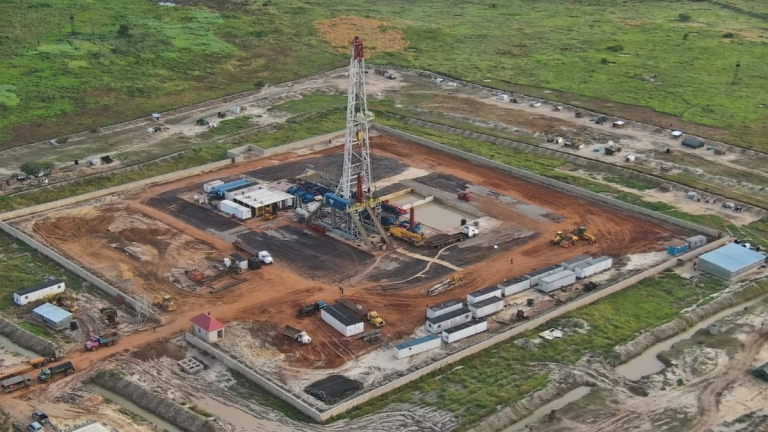
Procurement for OEMs and Specialised Equipment: Given Levene’s procurement solutions arm sources from a global network of OEMs for items like 2,000 – 3,000HP 10-15K psi Land Rig, drill bits, blow out preventers, and Christmas tree assemblies, what criteria do you use to select these suppliers, and how do you manage lead times and technical compliance?
When sourcing specialised equipment such as 2,000 – 3000HP 10-15K psi land rig, blow out preventers, drill bits, or subsea assemblies, our first priority is OEM pedigree. We assess proven manufacturing standards, API and ISO certifications, and demonstrable field performance.
Technical compliance is verified through engineering validation, factory audits, and detailed reviews of quality documentation. Lead time management depends heavily on early engagement with drilling teams, realistic schedule planning, and securing production slots with OEM manufacturers.
To manage supply risk, we also apply dual sourcing strategies, framework agreements, and inventory planning for long lead items. Continuous communication with OEMs and logistics partners ensures that critical path components are closely tracked, helping us minimise delays while maintaining strict technical and operational compliance.
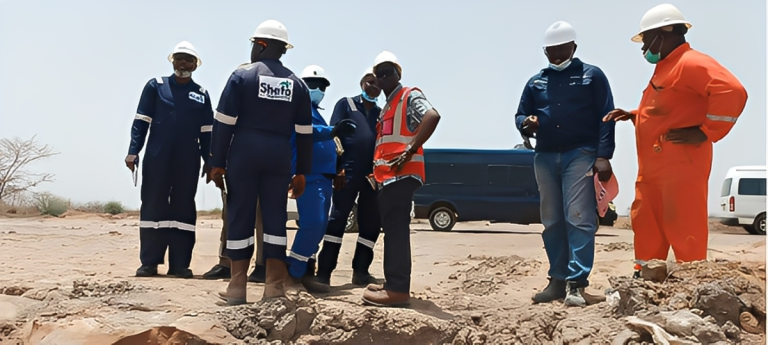
Renewable Energy and Local Assembly: Levene is active in renewables in Nigeria, including locally manufactured solar panels and solar PV system deployment. How do you approach procurement in renewable projects differently from traditional oil and gas projects?
Procurement in renewable projects places greater emphasis on localisation, cost competitiveness, and long-term maintainability compared with traditional oil and gas procurement.
For solar projects, we prioritise local assembly where feasible, leveraging LPV Technologies’ panel production capacity while ensuring that all components still meet global efficiency and durability standards. Local content compliance is central to this strategy, both to meet regulatory expectations and to reduce foreign exchange exposure.
Renewable procurement also focuses heavily on lifecycle cost, given the importance of warranties, degradation rates, and after sales support. Unlike oil and gas, where specifications are often rigid and OEM driven, renewable projects allow greater sourcing flexibility. This enables us to balance cost, localisation, and technical performance in a more strategic way.
Risk Management and Supply Chain Resilience: With operations spanning Nigeria, London, Ghana and Mauritius, how do you manage risk around supplier reliability, import delays, regulatory changes, or shifts in supply chain costs?
Managing risk across multiple geographies requires strong visibility into supply market conditions and robust contingency planning. We evaluate supplier reliability through historical performance data, financial stability checks, and compliance audits.
To mitigate import delays, we implement early procurement strategies, maintain strong relationships with freight partners, and build realistic timelines that account for customs and regulatory approvals. Diversifying suppliers across different regions also helps us manage geopolitical risk and regulatory changes.
Framework agreements allow us to stabilise pricing and cushion fluctuations in raw material or freight costs. Regular risk reviews covering logistics, foreign exchange exposure, political developments, and commodity pricing ensure that we remain proactive in protecting operational continuity across our global footprint.
Sustainability and ESG in Procurement: How significantly are environmental, social, and governance criteria incorporated into procurement decisions?
ESG considerations are now fully integrated into our supplier evaluation and procurement decision making. We prioritise suppliers that demonstrate strong environmental practices, ethical labour standards, and transparent governance structures.
ESG requirements are embedded within our RFP processes and supplier assessments, covering areas such as energy efficient manufacturing, waste reduction, HSE performance, and community impact.
A recent example involved sourcing solar panel components from suppliers with verified low carbon manufacturing processes. Although these suppliers were not the lowest cost option, their stronger environmental credentials and reduced lifecycle emissions aligned better with our renewable energy objectives and long-term sustainability commitments. This ensured that procurement decisions supported both operational performance and responsible business practices.
Supplier Relationships and Quality Assurance: Long term, high value supplier relationships are critical. What practices do you use to build trust and maintain consistent quality over time?
Strong supplier relationships are built on transparency, shared expectations, and continuous performance management. We implement structured onboarding processes, conduct regular technical audits, and hold quarterly business reviews to maintain alignment on quality, delivery performance, and compliance.
Supplier scorecards help us monitor key indicators such as delivery reliability, documentation accuracy, and HSE compliance. By sharing project forecasts and pipeline visibility with trusted suppliers, we also allow them to plan production capacity and prioritise our requirements.
Equally important is maintaining ethical business practices and clear contractual frameworks. These principles create mutual trust and ensure that suppliers consistently deliver the standards required for critical energy operations.
Digital Transformation and Procurement Tools: Are you using digital tools to improve procurement visibility and supplier management?
Digital tools now play a central role in improving procurement efficiency and governance. We rely on ERP systems to manage end to end procurement workflows, while spend analytics platforms provide deeper insights into category performance and cost drivers.
Supplier performance dashboards enable data driven evaluations of delivery reliability, compliance, and service quality. In addition, predictive procurement tools help us anticipate market shifts such as commodity price movements or supply disruptions.
The greatest impact has come from spend analytics and supplier dashboards, which provide real time visibility into procurement activity across the organisation. These capabilities strengthen strategic sourcing, reduce maverick spending, and support more disciplined supplier management.
Demand Forecasting and Inventory Strategy: How does your team forecast demand for high cost equipment and long lead items?
Forecasting demand for high value and long lead equipment requires close collaboration with project teams, drilling engineers, and operational planners. We analyse project timelines, equipment failure rates, and historical consumption patterns to build accurate demand forecasts.
For critical path components, we maintain controlled safety stock levels or establish rapid response agreements with pre-qualified suppliers to minimise operational downtime. At the same time, we avoid excessive inventory by applying just in time principles for non critical items.
Framework agreements also allow us to secure supplier capacity without tying up working capital. Ultimately, the balance between availability and capital efficiency is achieved through continuous cross functional planning and data driven demand visibility.
Advice for Future Procurement Leaders in Energy: What advice would you give to professionals aiming to take on leadership roles in energy procurement?
Future procurement leaders in the energy sector must develop a combination of technical literacy, commercial discipline, and cross sector adaptability. The energy landscape is evolving rapidly, and expertise limited to traditional oil and gas is no longer sufficient.
Professionals should invest in recognised certifications such as CIPS, develop strong data analysis capabilities, and strengthen their negotiation and stakeholder management skills. Equally important is gaining exposure to renewable energy, digital procurement tools, and ESG driven sourcing strategies.
Above all, successful leaders must cultivate resilience, curiosity, and a commitment to continuous improvement. Supply chains are becoming more complex and dynamic, and those who remain adaptable, ethically grounded, and strategically minded will be best positioned to lead procurement in the future energy economy.
Ecosystem Partners
Companies supporting and shaping this feature’s wider story.
Energy Quest Oilfield Services

Energy Quest Oilfield Services is a Nigerian-based provider of integrated oilfield solutions, supporting clients across drilling, production, and asset integrity operations. With a strong focus on performance, reliability, and local expertise, the company delivers high-quality services including well intervention, pipeline integrity, and engineering support. Energy Quest supports organisations in enhancing operational efficiency and maintaining critical energy infrastructure.
As highlighted in this feature, Energy Quest supports organisations in delivering reliable and efficient oilfield operations across complex environments.
Visit Energy Quest: https://www.eqoilfield.com
Alge Global Ventures
Alge Global Ventures is a provider of integrated construction, engineering, and logistics services, supporting complex infrastructure and energy projects. With a strong focus on operational excellence, the company combines local expertise with international standards to deliver efficient, reliable solutions across marine and oilfield environments. Alge Global supports organisations in executing large-scale projects with precision and long-term value.
As highlighted in this feature, Alge Global supports organisations in delivering complex infrastructure and engineering projects with efficiency and reliability.
Visit Alge Global: https://www.algeglobalventures.com
B.M.S
B.M.S Waleed Enterprises is a diversified service provider supporting procurement, logistics, civil engineering, and energy distribution projects. With a strong focus on reliability and end-to-end project delivery, the company provides sourcing, transport, and contracting solutions across infrastructure and supply operations. B.M.S Waleed supports organisations in delivering efficient, well-managed projects across complex environments.
As highlighted in this feature, B.M.S Waleed Enterprises supports organisations in executing supply, logistics, and infrastructure projects with reliability and operational efficiency.
Visit B.M.S Waleed Enterprises: talk2bmswaleed@gmail.com