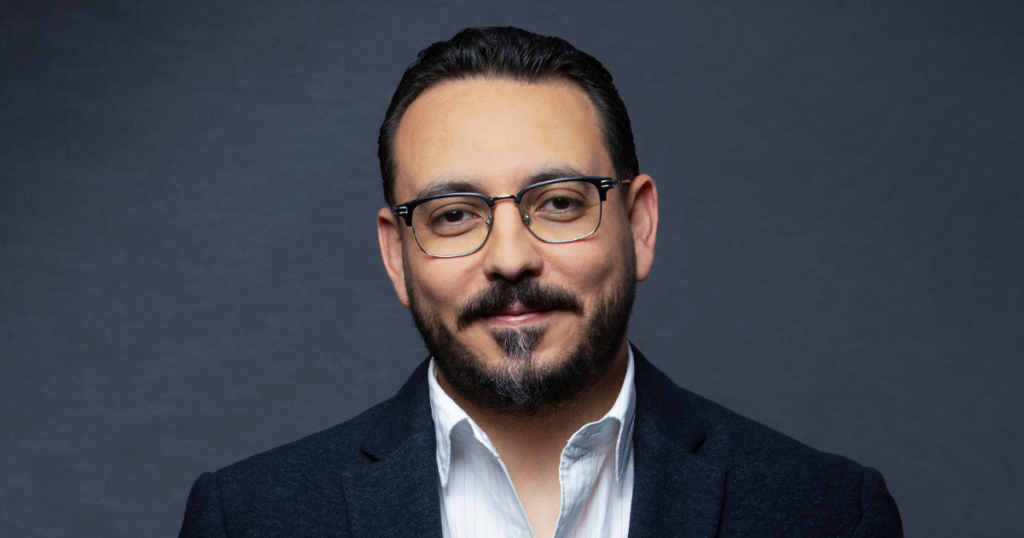
With extensive experience in procurement and supply chain management, Khalid Alothman, currently working at Qiddiya, is at the forefront of driving procurement transformation for one of Saudi Arabia’s most ambitious projects. As Qiddiya prepares to become a world-class destination for entertainment, sports, and arts, Khalid’s leadership in procurement is key to ensuring that operations run smoothly, suppliers are strategically aligned, and procurement practices are agile enough to respond to the ever-changing demands of a mega project.
In this exclusive interview, Khalid reflects on his experience with the FIFA World Cup Qatar 2022 (Q22) and shares his insights on how he established an agile procurement function, navigated supply chain disruptions, and built strong, reliable supplier relationships. He discusses how the lessons learned from leading procurement for high-profile events, like the FIFA World Cup, helped shape his approach to procurement excellence. Khalid also highlights the importance of adaptability, innovation, and collaboration within procurement, and how these values are essential to the long-term success of Saudi Arabia’s ambitious vision.
How Do You Establish an Agile Procurement Function for a Mega Event like the World Cup?
When setting up a procurement function or optimising an existing one, every step of the process must be scrutinised. Simply following “best practices” or relying on benchmark exercises might not always serve the best interests of the organisation. Each process must be logical, add value to stakeholders, and align with the organisation’s unique objectives. There’s no universal “right” way to implement best practices—what works for one company might not work for another. Understanding what the board and top management expect from procurement, the nature of operations, and budget constraints is key to designing effective policies and procedures.
When I developed the procurement function for Q22, I couldn’t rely solely on my previous experience in oil and gas or semi-government entities. I had to challenge everything I knew about procurement processes. A tender committee might be useful for additional control but wouldn’t support agility. Capping change orders at 10–20% in the policy makes sense for construction projects but not for simple services. I involved internal stakeholders in the process who could genuinely add value rather than create unnecessary layers of bureaucracy. This approach allowed us to establish controls while maintaining flexibility and speed.
How Did You Adapt Your Procurement Strategies to Respond to Change Leading Up to the World Cup?
The initial procurement objectives for Q22 were designed to handle FIFA World Cup operational requirements alongside corporate needs. However, plans had to shift quickly when we were tasked with running a test event—the FIFA Arab Cup 2021—just one year before the World Cup.
This required a fundamental change in approach. Instead of issuing separate, specific tender packages for the World Cup, I took a more strategic approach by bundling requirements for both events. We also secured framework agreements with flexible terms to accommodate additional requirements leading up to both tournaments. This approach benefited both FIFA and the suppliers. Strong performance in the Arab Cup effectively guaranteed a supplier’s role in the World Cup, while we locked in the best prices and contract terms well in advance.
How Did You Overcome Supply Chain Disruptions During the COVID-19 Pandemic?
The COVID-19 pandemic triggered a global semiconductor shortage, leading to supply chain disruptions, inventory shortages, and rising IT equipment costs. Our initial strategy—call-off agreements with storage at local suppliers’ facilities—was effective under normal circumstances but wasn’t suited for a crisis of this scale.
As soon as the shortage became evident, I pivoted our approach. First, I worked with the IT department to reassess equipment specifications, expanding the pool of acceptable alternatives. I also widened our supplier network, reaching out to both local and regional vendors to secure stock. And sometimes, procurement requires going beyond the usual corporate channels—visiting small, independent retailers proved to be a crucial move in sourcing the equipment we needed.
Why Are Strong Supplier Relationships Key to Successful Contracting for a High-Profile Event Like the World Cup?
The World Cup for Qatar was a once-in-a-lifetime opportunity—there’s no second chance to get it right. You can ask for bid bonds and performance guarantees, but if a project fails, no amount of paperwork, lawsuits, or cash will fix it. That’s why our procurement approach prioritised strong supplier relationships and risk mitigation.
Testing suppliers through the Arab Cup and other events helped us build trust while ensuring reliability. Understanding FIFA’s buying power and the suppliers’ positions in the supply chain was also key. We identified backup suppliers in case of disruptions and, for some projects, consciously split the scope between multiple suppliers to enhance efficiency and reduce risk.
How Did You Build Procurement Agility and a Strong Team for the World Cup?
In organisations with well-established procurement functions, robust control measures often come with bureaucracy and long procurement cycles. These systems are effective, but they rely more on process than people. In contrast, an agile procurement function depends on talent, leadership support, and efficient decision-making.
At Q22, I was fortunate to recruit and train a team of top-tier professionals, backed by leadership that understood procurement’s strategic value. This combination allowed us to strike a balance between control and flexibility, ensuring that procurement supported—not hindered—the success of the best World Cup ever.