Banking Circle

Banking Circle

Procurement with Purpose: Claribelle Rohde on Scaling Strategy, Risk, and Resilience at Banking Circle

Two years ago, when Claribelle Rohde joined Banking Circle, part of her mandate was to redefine and transform the bank’s procurement and outsourcing function in line with industry best practice. As the bank expands rapidly across multiple jurisdictions, it requires a resilient, future-ready operational model to support its fast-scaling global business. As Head of Procurement and Outsourcing, Claribelle is positioning procurement to become a strategic driver of value, resilience, and operational excellence, embedding it into the fabric of the bank, while continuing to navigate the complexities of regulation, digital transformation, and third-party risk.

In this exclusive interview, Claribelle shares her insights on managing supplier compliance across borders, designing future-ready operating models, and driving cross-functional alignment in the face of evolving requirements like the industry-defining DORA (Digital Operational Resilience Act) regulations, along with her vision of a scalable procurement function. She is embedding enhanced risk controls into core processes while setting the foundations for modern, adaptable platforms, shaping a procurement function that is structured yet agile, ambitious yet grounded.

Whether you are a procurement leader navigating regulated sectors or simply looking to build smarter, more collaborative procurement functions, Claribelle’s journey offers valuable lessons in leadership, resilience, and intelligent growth.

Click below to access the digital version


Redefining Procurement: You played a key role in building and supporting Banking Circle’s new approach to its central procurement function. What were the critical steps in defining your target operating model, and how did you approach establishing scalable governance?

When I joined Banking Circle, procurement was rooted in governance and compliance, a function designed to meet regulatory demands. As the bank’s global footprint grew, I set out to evolve its purpose: moving beyond oversight to enable scale, resilience, and growth across multiple jurisdictions, while strengthening the foundations that were already in place.

Banking Circle is headquartered in Luxembourg. When I joined, the bank’s network included branches in Denmark, Germany, and the UK. Since then, the scope of procurement has expanded significantly. Today, I provide central procurement support not only to the bank’s European branches, including new locations such as Poland but also to its subsidiaries in markets such as Liechtenstein, Singapore, and Australia, with additional geographies in the pipeline as we continue our global growth. We are shifting from an EU-centric operation to a global procurement organisation that supports scale, resilience, and growth worldwide.

In a fast-growing, regulated banking environment, this meant striking a careful balance between agility and control. The first step has been to shift perceptions of procurement –from a transactional or compliance-focused function to a strategic business partner that adds value across the organisation. We are working towards the bank’s core priorities and aligned our target operating model to support its strategic pillars. Procurement is increasingly expected to facilitate growth by enabling rapid expansion into new geographies and supporting third-party engagements to bring new products to market. This means continuing to build scalable processes and involving procurement early to avoid bottlenecks, while still ensuring commercial discipline and regulatory alignment.

To support business stability, we are building governance frameworks that are aligned with regulatory expectations and apply a risk-based, proportionate approach. This includes supplier segmentation, clear approval thresholds, and embedded controls. These are co-designed with our Legal and Risk teams and focuses not only on meeting external requirements, but also on ensuring operational resilience from our third-party suppliers, particularly those supporting critical or cross-border services.

Profitability has been another key driver. We are focusing on creating commercial value through stronger contract negotiations and by challenging the business to rationalise spend where it makes pragmatic sense, while also improving procurement cycle times and reducing internal friction. Supporting the business efficiently requires balancing speed with rigour.

Looking ahead, we are beginning to embed procurement more deeply into the bank’s broader enterprise system. This will allow us to gradually increase automation, enhance visibility, and drive more integration across functions. This journey will support our ambition to scale globally while strengthening control and enabling stronger, data-informed decision-making.


Regulatory Resilience under DORA: What was involvement in your third-party remediation efforts to meet DORA requirements, and how has this uplift shaped the bank’s broader operational resilience strategy?

Like many in the industry, DORA prompted us to rethink and strengthen our third-party risk and outsourcing frameworks so we stay firmly ahead of regulatory expectations. Our remediation efforts began with a group-wide gap assessment across third-party arrangements, with a particular focus on ICT and critical or important functions. We are committed to continuous improvement, regularly benchmarking our frameworks against evolving best practices and regulatory standards. We have re-baselined our outsourcing registers, reclassified our suppliers for greater consistency, and are actively negotiating with critical partners to strengthen contractual terms with standardised clauses on access, audit rights, termination, and subcontractor transparency. It is an ongoing process, some suppliers were more DORA-ready than others and we are continuing to build on this momentum to ensure clarity and resilience across the group.

Our risk assessments were updated to reflect DORA’s emphasis on concentration risk, chain outsourcing, and ICT-specific threats. We also clarified the roles and responsibilities of service owners, risk teams, and procurement to ensure accountability across the full third-party lifecycle.

This uplift is already shifting how outsourcing is perceived, from a transactional necessity to a core pillar of our resilience planning. We have embedded third-party risk considerations much earlier in both procurement and product development processes, with growing emphasis on interdependency mapping and scenario planning. The programme is also deepening cross-functional collaboration between risk, legal, and business teams, positioning procurement not just as a policy executor, but as a strategic enabler of resilience. In many ways, DORA is accelerating our transition from decentralised oversight to a more integrated, group-wide approach to risk and operational continuity.


Global Oversight of Third-Party Relationships: With oversight across multiple jurisdictions, how do you manage supplier consistency and compliance across Banking Circle’s headquarters, branches, and subsidiaries?

As the bank expands into new jurisdictions, one of the new and complex challenges we are tackling is how to manage third-party risk consistently across the group, without creating unnecessary complexity for local teams. This work is very much in progress and is shaped collaboratively with our Strategic Expansions, Risk, Legal, Finance, Tax, Governance and other functional departments and management teams within our sub-entities. My focus in the next few months is establishing a strong foundation at group level, defining clear procedures that balances risk and regulatory defensibility, a unified supplier categorisation model, standardised due diligence processes and a standardised internal service catalogue to enable our intragroup expansions—while working closely with each entity to adapt these to their specific regulatory environments. It is an ongoing balancing act between ensuring consistency and allowing for local flexibility, and while it’s not always perfect, we are learning and continuously improving with each new market we enter.

To support this, we have set up a third-party management working group that includes legal, risk, business stakeholders, and service owners. This forum enables coordinated yet pragmatic decision-making, particularly for cross-border or higher-risk engagements and ensures procurement acts as a connector to bridge silos.

While this framework is still maturing, it is already helping us to manage third-party relationships in a way that supports both regulatory compliance and practical business needs, while maintaining the agility needed to support the bank’s continued growth across multiple jurisdictions.

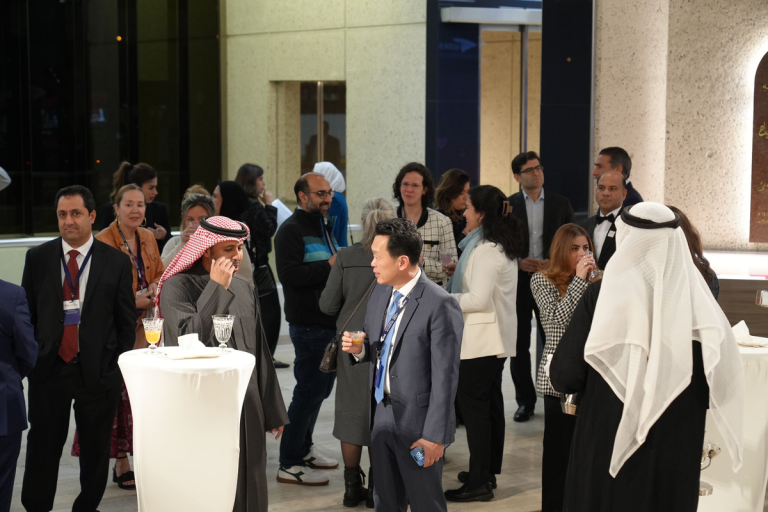
Banking Circle Reception


Embedding Risk Controls into Procurement: How have you designed procurement processes to align with regulatory risk requirements without compromising on speed or value?

Designing procurement processes that meet regulatory risk requirements without slowing the business has been one of our biggest ongoing challenges and it is a delicate balancing act. It often feels like sprinting on a tightrope — moving quickly and adapting to changes from the regulatory landscape or pace of business acceleration, while making sure we stay securely harnessed and anchored to maintain stability and control. Our approach is to embed risk requirements directly into procurement workflows – weaving regulatory expectations into how we source, assess, and contract with suppliers, so that risk is addressed by design rather than as a late-stage hurdle. We have continued to integrate these requirements into our processes, ensuring compliance is seamlessly built into the way we work.

We are shaping a tiered, risk-based model that scales due diligence, approvals, and oversight depending on the risk and criticality of the supplier and the service they are providing. This work is highly collaborative –Legal, Risk, and Governance and business inputs are essential to co-developing contract templates, risk assessments and approval workflows so that we are not re-inventing the wheel for every engagement and can move faster while staying compliant.

Early procurement engagement remains a key focus. By engaging procurement before business decisions are locked in, we can shift risk assessment upstream, add strategic input, and reduce downstream delays.
Equally important is creating awareness across the business.

Over the past year, we’ve introduced monthly ‘How to Buy in Banking Circle’ training for all new joiners to reinforce why engaging procurement early matters because, anyone in the company can initiate a purchase. As DORA raises the regulatory bar, we’ve also organised internal roadshows with service owners and held supplier-facing sessions to align expectations and drive proactive ownership of risk. These efforts make risk management a shared responsibility across the organisation rather than the remit of a single team.

These training sessions have been invaluable for me personally, they’re a chance to meet new colleagues as the company rapidly grows to more than 700 employees across Europe, Asia, and Australia, expanding through new branches and subsidiaries. These help me stay close to emerging roles, new geographies, and upcoming products.

Our goal is to make the right way the easy way, enabling the business to move fast while knowing that compliance and control are already built into the process.


Strategic Partnerships as Value Drivers: How do you identify and nurture long-term strategic partnerships within your supplier base, and what role do these relationships play in driving Banking Circle’s growth and innovation?

We have worked to shift purely transactional procurement toward building longer-term strategic partnerships, especially with suppliers that underpin critical parts of our infrastructure. A good example is the recent renewal of one of our key IT partners, an arrangement that supports the very bedrock of the bank. Instead of treating it as a routine negotiation focused solely on cost, we approached it as a chance to reposition ourselves as a customer of choice and to explore how the relationship could evolve with our global ambitions.

With our growth and expanding global footprint, we are recognising the importance of creating partnerships that go beyond just driving costs down and we are starting to actively think where building such partnerships matters and drives value both for us and our suppliers. In a market where negotiation often defaults to price, we are starting to take a more open and transparent approach with select suppliers, sharing our roadmap and inviting them to partner with us on our global ambitions. This more open and transparent approach has already helped unlock additional investment, secure funding commitments, and even identify potential new sales channels with one of our key partners and we will be looking toward our other key suppliers to start partnering with us in the same way. We know that this is just the beginning and it is not a one size fits all. We are continuing to identify other key strategic suppliers where we can cultivate a partnership approach, not only based on what they deliver today, but also on how we can innovate and scale together. It is not easy; we are not always the biggest fish in the pond for some of our large suppliers. But with the growth we have shown, some key partners are beginning to see our trajectory and are genuinely excited to grow alongside us and invest in our potential. The aim is to go beyond the contract — to build true partnerships that strengthen resilience, support our global growth, and create long-term value for the bank.


Digital Transformation in Procurement: You have led a digital transformation within procurement. What technologies or tools have been most impactful, and how do they support integration with risk, finance, and governance?

We are still at the beginning of our digital transformation journey in procurement, but the direction is clear and the foundation is being set. One of the most important lessons I have learned from colleagues in the bank and from other peers in the industry is that transformation cannot happen in isolation. Procurement is deeply interconnected, with finance, risk, legal, and the wider business so change must be driven together rather than built as a standalone solution hoping it will bolt on seamlessly.

I am now partnering closely with our Strategic Transformation team driving momentum for the bank’s cross-department transformation programme. Together with the teams reporting to our Chief Financial Officer, we are laying the groundwork for an integrated enterprise system that will connect procurement with finance, risk, governance, and transformation teams in one shared ecosystem.

When systems are fragmented, so are decisions. Our vision is that this platform will act as the connective fabric, streamlining workflows, improving visibility, and making data accessible so teams can collaborate more effectively and make faster, smarter decisions.

My vision is simple: a business stakeholder can upload a proposal or product description, and from there, everything flows – no unnecessary forms or back-and-forth. Instead, automated, intelligent workflows handle the routine, while human touchpoints focus where they matter most: building trust, forging relationships, making informed, risk-based, and proportional decisions, supported by the right data at the right time.

That is the future we are building toward, and there is a long way to go but to quote Lao Tzu – “the journey of a thousand miles begins with a single step.” The steps we are taking now are what will make that vision possible.


Cross-Functional Collaboration: What has been key to ensuring successful collaboration between procurement and internal stakeholders like risk, legal and the wider business?

At the heart of any successful collaboration is trust — and that takes time to build. When I joined, procurement’s role was limited and not well known, especially to new joiners. It was often seen as an administrative hurdle: extra forms, unclear requirements, and processes that didn’t feel connected to the business. This lack of visibility meant many employees did not fully understand procurement’s processes or how the department could support them. Some requirements — particularly those driven by regulation — weren’t well understood and could seem unnecessary, though we knew they were essential to demonstrate control and protect the bank.

To shift that perception, we’ve focused on being accessible and pragmatic: showing up as partners, listening first, understanding pain points, and finding places where we can simplify and deliver quick wins. Over time, even initially reluctant stakeholders have begun to see that procurement isn’t just bureaucracy. The questions we ask challenge the business to make better decisions, and documentation becomes a natural outcome of those decisions rather than a burden. Alongside this cultural shift, we have promoted procurement’s role internally, improved communication across departments, and helped colleagues navigate the right processes. Regulatory initiatives such as DORA have also underscored the importance of structured procurement and third-party management, further strengthening the function’s visibility and integration.

A great example is how we collaboratively worked with Risk and Legal to develop a new approach to third-party classification under DORA. Instead of working in isolation, we ran joint design sessions where each team brought its perspective. There were iterations, debates, and even some false starts, but we ended with a much stronger, clearer model — and more importantly, shared ownership.

We now have allies who advocate for proactive engagement with Procurement, but the journey is ongoing; there will always be new colleagues and some sceptics to win over. Collaboration thrives when teams have the freedom to experiment, and when they feel safe enough to try, fail, pivot, and try again. It is not about getting everything perfect on the first attempt, it is about creating space to learn and evolve together. Ultimately, it’s about shared accountability, psychological safety, and making compliance feel like basic hygiene so we can focus on the exciting part — creating real value in our contracts, from competitive pricing and commercial protection to access to supplier expertise and innovation and where procurement is recognised not as a gatekeeper, but as a connector and business enabler.


Navigating Multijurisdictional Compliance: What challenges have you faced in aligning third-party risk management across varying regulatory landscapes, and how have you addressed them?

One of the biggest challenges we are navigating right now is how to align third-party risk management across multiple regulatory landscapes. While frameworks like DORA, EBA, CSSF, FMA, MAS, and APRA share core principles, each brings its own nuances, interpretations, and expectations. Many of these rules are still new and theoretical, and their application can differ from one jurisdiction to another. To address this complexity, we combine insights from external advisors with strong internal efforts — attending targeted trainings and bringing in local employees with deep regulatory expertise — to ensure our approach is both compliant and practical across all markets we operate in.

The key tension we manage daily is finding the right balance, avoiding over-engineered controls that introduce unnecessary business friction, while also preventing under-standardisation that can weaken group-level oversight. That balance is not always easy to strike.

We are focusing on adopting a risk-based and proportional approach, establishing a group-wide baseline that reflects our risk appetite and overarching regulatory obligations, while still allowing for local overlays where needed. Rather than taking a purely rules-based stance, we aim to interpret requirements through their intended purpose. Are we managing concentration risk? Enabling resilience? Protecting customer data? Keeping this lens helps us avoid a tick-box mentality and stay focused on outcomes that matter. We have to pick a point on the spectrum and keep fine-tuning it — it is an ongoing calibration so we can shift quickly when things change.

Continuous close collaboration with legal and risk teams across jurisdictions has also been critical. We challenge interpretations together, align on what is defensible and practical, and make sure our group standards do not conflict across regions. This joint effort prevents siloed decision-making and keeps the framework coherent but flexible.
Managing compliance across multiple jurisdictions is not a project with an end date –it is a continuous process of alignment, proportionality, and responsiveness, ensuring that third-party risk is managed cohesively across the group while still enabling the business to grow.


Evolving the Procurement Function for Scale: As the bank scales, how are you future-proofing procurement to meet growing business demands?

Future-proofing procurement is about more than just adding headcount or refreshing templates, it is about designing a function that can scale intelligently and sustainably as the business grows, complexity, and geography. I will admit I am still figuring out what this really looks like in practice. AI is everywhere in our personal lives now, and I am learning from peers in the industry who are future proofing their teams to embed AI — exploring how it might help us scale without losing the judgment and control we need.

Right now, our focus is on building repeatable, proportionate, and automation-ready processes. Whether we are onboarding a low-risk vendor or negotiating a strategic partnership, the aim is to avoid reinventing the wheel each time. We are also embedding procurement earlier into business planning cycles, allowing us to anticipate needs before they arise, rather than responding reactively.

Our digital transformation efforts are a key part of this journey. Through our integrated enterprise transformation programme, we are connecting procurement with finance, risk, legal and governance within one shared platform. This will give us the structure and visibility required to manage third-party engagements consistently, while still maintaining agility to keep pace with business demands.

We are also starting to use AI as a practical productivity tool — for example, to make our communications clearer, assist with supplier due diligence, and help summarise key points from complex regulations across multiple jurisdictions. It is not about relying on AI to do the work for us, but about using it to augment our teams and free capacity for higher-value analysis and decision-making.

Equally important is the people aspect. We are strengthening internal guidance, rolling out training for both the procurement team and the wider business, and shifting the perception of procurement from process enforcer to value enabler. As our remit expands from local to group-level, we are also enhancing cross-jurisdictional collaboration to ensure global consistency while respecting local regulatory nuances.

Future-proofing procurement means building a function that is scalable, adaptable, and aligned with the bank’s strategic goals, so we can support growth with confidence, no matter how fast or far the business evolves.


Leadership Lessons in Regulated Environments: What advice would you offer to other procurement leaders establishing functions in fast-paced, highly regulated financial services environments?

When I took on the role as Head of Procurement and Outsourcing, my CFO said something that really stuck with me: “You need to be prepared to take, and accept, risks.” At the time, that felt counterintuitive. My entire procurement career had focused on minimising risk, negotiating service credits, building in exit clauses, and limiting liabilities. So the idea of embracing risk, even to a degree, was a significant mindset shift. In highly regulated environments, the goal is to make informed decisions based on the best available data and to be comfortable with the risks you choose to accept, balancing structure with sound judgment.

I have learned that in fast-paced, highly regulated environments, the goal is not to eliminate all risk, it is to make informed decisions based on the best available data and to be comfortable with the risks you choose to accept. That has been one of the biggest leadership lessons for me.

I have also come to appreciate the power of prioritisation. In an environment filled with competing requirements and tight deadlines, I regularly ask myself and my team: “Does this really matter?” Not every issue is critical, and learning where to focus your energy is essential to building something sustainable.

If I had one piece of advice for other procurement leaders, it would be this: get comfortable with ambiguity, focus on what truly moves the needle, and be willing to evolve your mindset. In regulated environments, it is the ability to balance structure with judgment that makes the difference.

In Association with

devoteam logo

Devoteam is an AI-driven tech consulting firm, helping organisations harness the power of cloud, data, cybersecurity and digital platforms to drive transformation and sustainable value. They blend strategic insight, deep technical expertise, and creative delivery to enable modern enterprises across industries. With more than 11,000 tech specialists operating across EMEA, Devoteam provides scalable, high-impact solutions through platform agnostic partnerships with AWS, Microsoft, Google, and ServiceNow.

www.devoteam.com

KFAS

KFAS

Procurement as a Catalyst for Scientific Progress: Insights from Ahmed AlQattan

With a career spanning oil and gas, healthcare, and now a research-driven non-profit, Ahmed AlQattan brings a unique cross-sector lens to procurement leadership. As Head of Procurement at the Kuwait Foundation for the Advancement of Sciences (KFAS), he ensures the procurement function is a vital partner in powering national innovation. In this interview, Ahmed discusses how strategic sourcing, supplier collaboration, and data-driven insights are used to build organisational resilience and operational excellence. He also offers valuable advice for aspiring professionals seeking to make an impact in purpose-led environments.

Click below to access the digital version


Career Journey: Can you share your career path leading up to your current role as Head of Procurement at the Kuwait Foundation for the Advancement of Sciences (KFAS)? What experiences have most influenced your approach to procurement and leadership?

My procurement journey began in the oil and gas sector, where I was responsible for managing high-value contracts, leading global supplier negotiations, and optimising complex supply chains within a highly regulated environment. Transitioning into healthcare procurement, I adapted those skills to a mission-critical industry, where cost efficiency must be balanced with uncompromising quality and patient safety standards.

Now, as Head of Procurement at KFAS, I leverage this cross-industry expertise to advance our organisational mission. My approach blends the disciplined, risk-aware culture of energy with the stakeholder-centric model of healthcare. This allows us to move beyond traditional purchasing and instead architect robust and agile supply chains that directly enable operational excellence and long-term institutional resilience.

I currently lead initiatives focused on digital transformation, sustainable procurement, and strategic value creation. This journey has solidified my leadership philosophy: that procurement is not merely a support function, but a critical lever for organisational growth and enduring impact.


Procurement’s Role in Advancing Science and Technology: How does the procurement function at KFAS support the organisation’s mission to foster scientific and technological advancement in Kuwait?

Procurement at KFAS supports the mission of scientific advancement indirectly by functioning as a strategic partner focused on organisational excellence. Our contribution is to build resilient supply chains, drive long-term value beyond cost, and mitigate risks that could disrupt critical programs. By ensuring the timely, efficient, and sustainable acquisition of everything from complex equipment to essential services, we remove operational barriers. This allows our scientists and innovators to dedicate their full focus to achieving Kuwait’s ambitious research and development goals, secure in the knowledge that a reliable support structure is in place.

Ultimately, procurement at KFAS is designed to serve not just the organisation, but the nation’s long-term vision for research, innovation, and technological leadership.


Sustainability in Procurement: Sustainability is a growing focus globally. How is KFAS integrating sustainable practices into its procurement and supply chain operations?

Sustainability is embedded into the procurement strategy at KFAS, not as an add-on, but as a core principle in how we operate. As we acquire the goods and services essential for our mission, we ensure that environmental responsibility is a key factor in every decision. This includes prioritising energy-efficient equipment, partnering with suppliers who demonstrate strong ESG performance, and reducing the environmental footprint of our supply chain wherever possible.

Our procurement processes are designed to align with Kuwait’s broader sustainability goals and our own institutional values. We evaluate long-term value over short-term cost, ensuring that each purchase supports both operational excellence and environmental stewardship. This includes proactive supplier engagement to encourage sustainable practices and transparency throughout the entire lifecycle of our contracts.

By integrating sustainability into our sourcing criteria, supplier selection, and risk frameworks, we ensure that progress and responsibility go hand in hand. Procurement at KFAS isn’t just about acquiring goods, it’s about investing in a resilient, responsible, and sustainable future for Kuwait.

KFAS Conference


Supplier Relationships and Quality Assurance: What strategies do you employ to build strong relationships with suppliers, and how do you ensure they consistently meet KFAS’s standards for quality and compliance?

At KFAS, our supplier management approach is built on strategic alignment, performance accountability, and collaborative engagement. We begin by selecting partners through a rigorous vetting process, evaluating both technical competence and financial stability. This ensures that our suppliers not only meet baseline standards but are capable of supporting KFAS’s strategic objectives and long-term goals.

Once onboarded, we foster long-term relationships through joint planning and clear communication. Suppliers are treated as extensions of our organisation, with contracts designed to reflect shared goals and mutual accountability.

Performance is continuously monitored through KPIs and regular scorecard reviews, allowing us to track delivery, quality, and responsiveness in real time.

To drive continuous improvement, we recognise high-performing suppliers through our engagement model. Compliance is embedded into every stage of the process. Our contracts clearly define quality expectations and are aligned with both KFAS policies and national regulatory frameworks, ensuring consistency and proactive risk mitigation.

By maintaining structured oversight and nurturing trusted partnerships, we create a supplier ecosystem that is resilient, responsive, and fully aligned with our mission to deliver operational excellence and long-term value for Kuwait.


Risk Management in Procurement: With the complexities of global supply chains, how does KFAS manage risks to ensure continuity and resilience in its procurement operations?

At KFAS, risk management begins with strategic alignment. We prioritise long-term reliability over short-term cost savings, forming partnerships with suppliers who share our vision and commitment to scientific advancement. Our agreements are value-driven, incorporating contingency measures and joint performance targets that ensure continuity even in times of disruption.

By engaging key suppliers early in the planning process, we gain greater visibility and control over cost, sustainability, and operational efficiency. This proactive integration allows us to anticipate potential risks and design mitigation strategies well before execution. Over time, these supplier relationships evolve into collaborative ecosystems, where vendors operate as true extensions of our internal teams.

Through this approach, we not only safeguard the integrity of our procurement operations but also build supply chains that are agile, resilient, and capable of supporting KFAS’s mission in an increasingly complex global landscape.


Future Trends in Procurement: What trends do you see shaping the future of procurement, and how is KFAS preparing to adapt to these changes?

The future of procurement is being shaped by rapid digital transformation, increased reliance on data, and a growing need for agility. At KFAS, we are already seeing how artificial intelligence and automation are streamlining procurement workflows, reducing manual tasks, and enabling faster, more consistent decision-making.

Data-driven strategies are also becoming essential. Real-time spend analytics and supplier performance tracking are no longer optional; they’re fundamental to proactive procurement. We’re currently implementing dashboards that provide visibility across compliance, quality, and cost metrics, allowing for more informed and timely interventions.

Agility is another key trend, particularly in a mission-driven environment where speed and adaptability are critical to success. To support this, we’re adopting more flexible contracting models that enable quicker onboarding and more adaptive supplier engagement. These steps position KFAS to remain at the forefront of procurement excellence, ensuring we build a resilient and responsive function that delivers long-term strategic value.

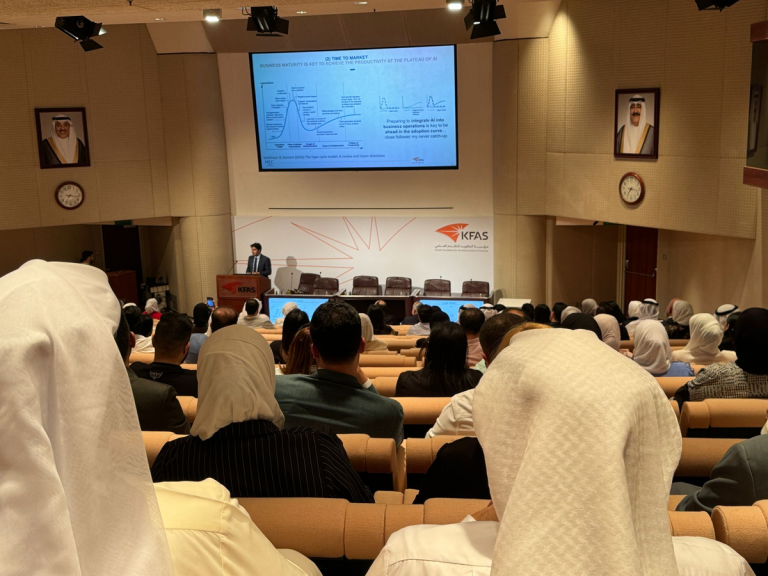
KFAS Presentation


Collaboration Across Departments: How do you ensure effective collaboration between the procurement department and other units within KFAS to align procurement strategies with organisational goals?

At KFAS, effective collaboration between procurement and other departments begins with cross-functional committees that bring together stakeholders from research, finance, and operations to align priorities from the outset. By conducting joint assessments before sourcing begins, we ensure both technical requirements and budgetary constraints are addressed, allowing procurement decisions to directly support organisational objectives.

Our team is involved early in the project planning process, which helps us anticipate potential delays and proactively design sourcing strategies that support timely execution. This collaboration is further enhanced by the use of digital platforms that enable real-time communication and agile decision-making, ensuring procurement remains tightly connected to the broader goals of the foundation. Through this integrated approach, procurement becomes not just a support function, but a strategic partner in delivering impact.


Advice for Aspiring Procurement Professionals: As a leader in procurement, what advice would you give to those looking to advance their careers in this field, especially within the non-profit and scientific sectors?

To grow a successful procurement career in the non-profit sector, it’s essential to balance technical expertise with a deep understanding of mission-driven environments. Develop strong core skills in areas like strategic sourcing, contract negotiation, and risk management, but also take time to learn the unique frameworks that shape your sector, such as grant compliance and donor accountability.

Think beyond procurement as a transactional function. Learn to translate your work into tangible organisational value, whether it’s showing how cost savings can be re-invested into core programs or how strategic supplier partnerships can enhance operational resilience and service delivery. Stakeholder alignment is key, so develop the ability to speak the language of different departments and build consensus around shared goals.

Innovation also plays a vital role. Be open to sustainable practices and digital transformation, but always balance agility with rigour. Non-profit institutions demand both speed and fiscal responsibility.

Lastly, stay curious. Understand how every purchase and process connects to your organisation’s operational efficiency and overarching mission. This mindset will enable you to shift from being a process executor to a strategic leader who enables long-term impact and organisational excellence.

In Association with

Leoron Logo

Leoron is a global corporate training and professional development institute, helping organisations upskill their workforce and enhance performance across more than 30 industries. They combine expert-led instruction with accredited learning solutions to deliver impactful, career-advancing education in management, finance, HR, supply chain, leadership, and technology. With ISO-certified standards and a global network of trainers, Leoron ensures measurable, scalable learning outcomes for professionals worldwide.

www.leoron.com

National Handling Services

National Handling Services

Purpose-Driven Procurement: Victor Hamadziripi on Driving Compliance, Efficiency, and Sustainability at National Handling Services

In the high-stakes world of aviation ground handling, procurement plays a pivotal role in ensuring safety, compliance, and operational excellence. Victor Hamadziripi, Head of Procurement at National Handling Services (NHS), brings over a decade of experience across public institutions, regulatory bodies, and international NGOs, combining strategic foresight with a deep understanding of policy, systems, and execution.

In this exclusive interview, Victor shares how NHS is navigating complex procurement challenges in Zimbabwe’s aviation sector, from foreign currency constraints to evolving safety regulations. He outlines the organisation’s efforts to digitise procurement, champion sustainability, and forge value-driven supplier partnerships, all while maintaining 99% compliance with national procurement laws. For Victor, procurement is not just a function, it’s a mission-critical driver of long-term impact.

Click below to access the digital version


Career Journey: Can you share your professional journey and what led you to your role as Procurement Leader at National Handling Services? What pivotal moments have shaped your leadership style?

My career in procurement began soon after high school when I joined the Ministry of Science and Technology as an Administration Assistant while studying for a Diploma in Procurement and Materials Management. In 2013, I began my CIPS qualification and completed the Professional Diploma in 2015.

In 2018, I joined the Procurement Regulatory Authority of Zimbabwe as a Procurement Officer, where I was responsible for reviewing sensitive tenders and managing disposals under the newly introduced Public Procurement and Disposal of Public Assets Act (PPDPA). To enhance my strategic leadership capabilities, I completed an MBA in 2020.

That same year, I joined the Deposit Protection Corporation as Senior Procurement Officer, where I was tasked with setting up procurement policies, procedures, and documentation from the ground up. In 2022, I transitioned into the NGO sector as Procurement and Logistics Manager at APOPO Mine Action, where I established the procurement framework and also served as Country Program Manager for three months.

In 2023, I was appointed Head of Procurement at National Handling Services. Since then, I have aligned the procurement policy with updated regulations, improved compliance to 99%, and overseen major projects including the procurement of Ground Support Equipment, VIP lounge construction, and cold room expansion, continuing to champion efficiency and regulatory excellence.


Procurement’s Role in Ground Handling Operations: How does the procurement function contribute to ensuring safety, reliability, and operational excellence in aviation ground handling services at NHS?

At National Handling Services (NHS), procurement is a strategic function that underpins safe, reliable, and efficient ground handling operations. It ensures alignment with regulatory compliance, service quality, and operational needs.

Safety is a top priority. We source Ground Support Equipment (GSE) and materials exclusively from certified suppliers who meet ICAO, IATA, and local safety standards, minimising equipment failure and enhancing ramp safety.

To ensure reliability, we conduct rigorous supplier evaluations and ongoing performance monitoring. This allows us to partner with vendors who consistently deliver quality products on time, supporting smooth operations and faster aircraft turnaround.

Procurement is also fully integrated with planning and operations. Through accurate forecasting and streamlined sourcing, we ensure the timely availability of critical spares and services, reducing delays and boosting efficiency.
In terms of compliance and risk mitigation, we uphold strict adherence to the Public Procurement and Disposal of Public Assets (PPDPA) Act, achieving a 99% compliance rate. This commitment minimises legal risks and reinforces transparency across the procurement function.

Cost efficiency is achieved through competitive bidding, framework agreements, and in-depth market analysis. These practices help us maximise value for money while maintaining quality, enabling NHS to reinvest in critical areas such as infrastructure, staff training, and safety enhancements.

At NHS, procurement is more than a transactional function, it is a strategic driver of operational excellence.


Sustainable Procurement in Aviation Services: Sustainability is a growing priority across industries. How is National Handling Services incorporating environmentally responsible practices in its procurement and supplier selection processes?

At National Handling Services (NHS), sustainability is a key pillar of our procurement strategy, supporting both environmental responsibility and operational efficiency.

We have actively transitioned toward more sustainable ground handling operations by procuring electric and LP gas-powered tow tugs. These low-emission alternatives significantly reduce our carbon footprint on the apron, aligning with global best practices in sustainable aviation support services.

Supplier compliance is another critical area of focus. NHS ensures that all suppliers meet strict safety and sustainability criteria, including full compliance with National Social Security Authority (NSSA) requirements. This fosters a culture of responsible business practices and promotes worker welfare across our supply chain.

When selecting suppliers, we prioritise vendors who demonstrate strong environmental stewardship, such as those offering energy-efficient technologies, recyclable packaging, and environmentally conscious logistics. Our evaluation criteria increasingly favour suppliers with ISO 14001 or equivalent environmental certifications.

Sustainability principles are now embedded within our procurement policies and procedures, guiding teams to consider environmental impact at every stage, from sourcing to disposal.
Through thoughtful procurement decisions and rigorous supplier vetting, NHS is committed to supporting Zimbabwe’s sustainable development goals while delivering world-class, environmentally responsible ground handling services.

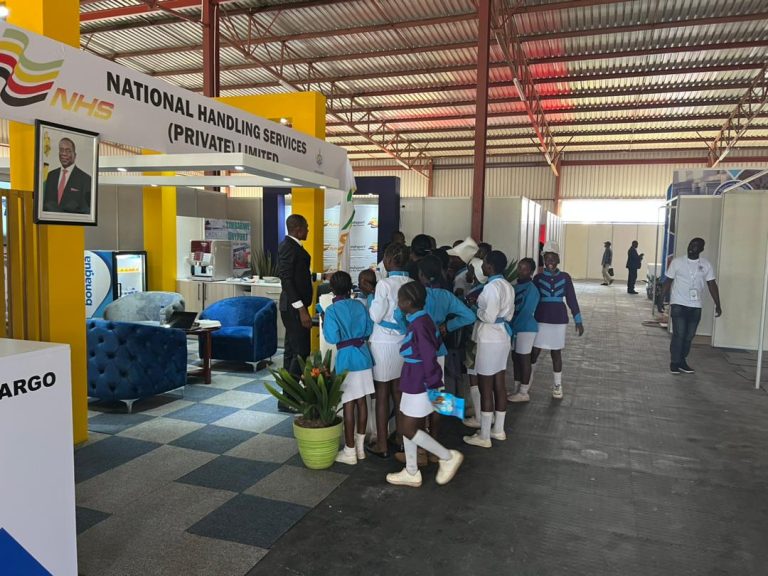
National Handling Service Exhibition Stand


Strategic Supplier Partnerships: What approach do you take to build and maintain long-term, high-performing supplier relationships, especially in a time-sensitive industry like aviation?

In the fast-paced aviation industry, maintaining long-term, high-performing supplier relationships is key to ensuring uninterrupted service. At National Handling Services (NHS), we take a strategic, transparent, and collaborative approach focused on performance and mutual value.

We establish framework agreements with key suppliers to ensure consistent quality, pricing stability, and faster lead times, particularly for critical recurring needs such as Ground Support Equipment (GSE), spares, and maintenance.
To promote transparency and alignment, our Annual Procurement Plan is uploaded to the e-Government Procurement (e-GP) system. This gives suppliers visibility into upcoming opportunities, allowing them to prepare in advance and align with our operational timelines.

We also negotiate favourable credit terms to support supplier sustainability and maintain a healthy cash flow, which reinforces trust and operational agility.
Supplier performance is closely monitored across quality, delivery timelines, compliance, and responsiveness. Regular feedback sessions and performance reviews foster accountability and continuous improvement.

Finally, all suppliers are required to meet legal and institutional obligations, including NSSA registration and compliance with the Public Procurement and Disposal of Public Assets Act, ensuring that our partnerships are safe, ethical, and sustainable.

This comprehensive approach enables NHS to build resilient, value-driven supplier relationships that are essential for ground handling excellence.


Digital Procurement and Transformation: How is NHS leveraging digital tools or platforms to streamline procurement processes and improve supply chain visibility and efficiency?

At National Handling Services (NHS), we are actively leveraging digital platforms and tools to enhance procurement efficiency, improve transparency, and strengthen supply chain visibility. Our approach integrates technology across several key areas of the procurement lifecycle.

We utilise Zimbabwe’s e-Government Procurement (e-GP) platform to manage procurement end-to-end, from planning and tender publication to contract awards and supplier performance tracking. This platform promotes transparency, ensures compliance with public procurement regulations, and provides real-time visibility into procurement activities for both management and suppliers.

To reduce delays and costs associated with physical inspections, we have adopted virtual Pre-Delivery Inspections (PDIs), particularly for imported equipment. Through live video sessions, suppliers demonstrate product readiness and compliance before shipment, enabling quality assurance while accelerating delivery timelines.

We also maintain strong supplier engagement through regular virtual meetings. These sessions allow for real-time updates, issue resolution, and alignment on delivery schedules — enhancing responsiveness and creating a more agile procurement environment.

Our procurement team maintains a digitally accessible and continuously updated procurement plan, shared via the e-GP platform. This ensures that all internal and external stakeholders remain aligned on priorities and timelines, resulting in improved coordination and accountability across the board.


Inventory and Operational Readiness: Given the critical nature of equipment and consumables in ground handling, how do you manage inventory planning and forecasting to ensure readiness without overstocking?

At National Handling Services (NHS), we balance operational readiness and efficiency through strategic inventory planning and forecasting tailored to the specific demands of ground handling operations.

We operate a dedicated facility for Ground Support Equipment (GSE) components and consumables, allowing for proper tracking, segregation, and quick access for our maintenance teams.

For frequently used items such as lubricants, filters, and personal protective equipment (PPE), we maintain a minimal buffer stock based on usage trends and lead times. This ensures daily operational continuity while avoiding excess inventory.

For high-value or less frequently used parts, including engines and hydraulic systems, we adopt a Just-In-Time (JIT) approach. These components are ordered in line with scheduled maintenance and alerts, helping to reduce holding costs without compromising availability.

Our inventory forecasts are fully integrated with equipment maintenance plans, traffic patterns, and the annual procurement plan published on the e-GP system. This coordinated approach enhances preparedness and supports seamless operations.

We also engage in regular virtual meetings with suppliers, which provide early insights into potential supply chain disruptions and allow us to make timely adjustments to our inventory plans.
By combining lean stock practices, dedicated storage, and data-driven forecasting, NHS ensures the availability of critical items while optimising inventory efficiency.

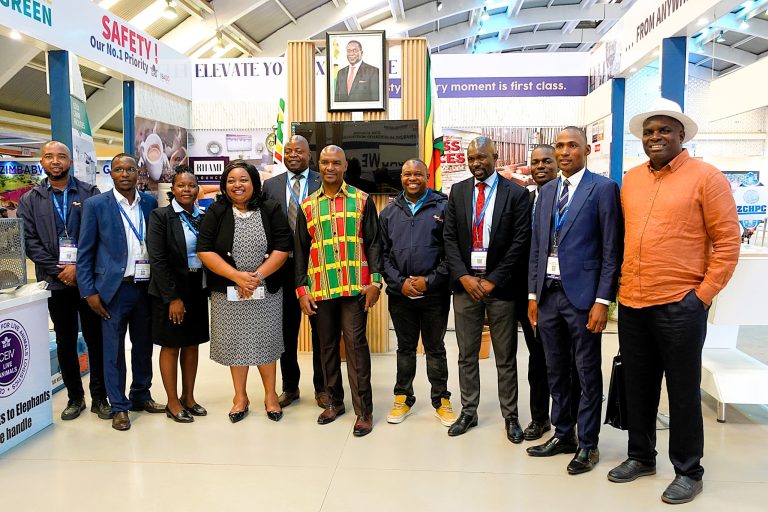
National Handling Services Team

Risk and Compliance Management: Aviation services are highly regulated. How does NHS manage procurement risks and ensure supplier compliance with both safety standards and regulatory requirements?

At National Handling Services (NHS), we manage procurement risks and ensure supplier compliance with aviation safety and regulatory standards through a structured, end-to-end approach that prioritises transparency and accountability.

Before awarding any contracts, we conduct thorough due diligence. This includes evaluating suppliers on NSSA compliance, past performance, relevant certifications (such as ISO or IATA), capacity, and legal standing to ensure we engage only credible and capable vendors.

Our tender documents are carefully prepared to clearly define safety, legal, and technical requirements, along with evaluation criteria and delivery expectations. This ensures all bidders understand and commit to compliance from the outset.

Post-award, we closely monitor contract performance through regular reviews, milestone tracking, and strict adherence to service level agreements (SLAs). Any instance of non-compliance is addressed promptly through corrective measures outlined in the contract.

All procurement activity is fully aligned with the Public Procurement and Disposal of Public Assets (PPDPA) Act and relevant aviation safety standards. We ensure that Ground Support Equipment (GSE) and other critical supplies meet all regulatory and safety requirements before acceptance.

Additionally, we leverage the e-Government Procurement (e-GP) system to maintain an auditable, transparent procurement trail, which supports oversight by both internal and external stakeholders.

This comprehensive framework ensures procurement integrity, safety, and full regulatory compliance at NHS.


Challenges in Aviation Procurement: What are some of the unique procurement challenges within the aviation services industry in your region, and how do you navigate them?

The aviation services industry in our region faces unique procurement challenges that impact operational continuity, cost efficiency, and regulatory compliance. At National Handling Services (NHS), we tackle these issues through adaptive strategies and cross-functional collaboration.

One major challenge is the limited availability of local suppliers for specialised items such as Ground Support Equipment (GSE), aviation-grade parts, and certified safety gear. These often need to be sourced internationally, which adds complexity to lead times, quality assurance, and compliance checks.

Foreign payment constraints are another significant hurdle. Exchange controls and limited forex availability complicate international transactions. We manage this by planning purchases early, securing necessary approvals in advance, and negotiating flexible payment terms with our suppliers.

Extended lead times for manufacturing and shipping are common in aviation procurement. To mitigate this, we use a Just-In-Time (JIT) approach for major components, maintain buffer stocks for frequently used items, and align procurement closely with maintenance schedules to avoid disruption.

Customs clearance delays can also pose risks due to regulatory bottlenecks or documentation issues. We address this by ensuring accurate and complete import documentation, engaging customs agents early, and maintaining close contact with relevant authorities to expedite processing.

From a contractual standpoint, we use well-structured agreements with clearly defined delivery terms such as DDP or CIF, along with performance guarantees and penalty clauses. Our procurement team also monitors global supply chain trends to anticipate disruptions and reduce risk exposure.

These proactive measures enable NHS to navigate procurement challenges effectively and maintain seamless, compliant aviation operations.


Future Trends and Procurement Evolution: What trends do you believe will most influence procurement in the aviation ground handling sector in the next 3–5 years, and how is NHS preparing for them?

Over the next three to five years, several key trends will reshape procurement in aviation ground handling. At National Handling Services (NHS), we are proactively aligning our strategies to lead these changes and stay ahead of industry developments.

Sustainability and green procurement are becoming central to sourcing decisions. NHS is actively reducing its carbon footprint by procuring electric and LP gas-powered tow tugs and prioritising environmentally friendly options in all tenders.

The shift to capital-intensive green equipment brings funding challenges. We are addressing this through long-term planning, forming funding partnerships, and leveraging framework agreements to manage costs and secure stable supply.

As competition in aviation services intensifies, procurement must be more strategic and value-driven. NHS ensures this through the use of Zimbabwe’s e-GP system, transparent bidding processes, and robust supplier performance tracking to guarantee compliance and value for money.

Evolving safety standards also demand greater rigour in procurement practices. We embed safety checks into bid evaluations, conduct virtual pre-delivery inspections, and enforce supplier compliance through detailed contract management.

Finally, digital transformation continues to shape the future of procurement. NHS is leveraging virtual supplier meetings, e-procurement platforms, and digital inventory tracking to drive data-informed decisions, reduce lead times, and improve overall supply chain visibility.

These trends are guiding NHS’s procurement strategy toward more sustainable, efficient, and fully compliant operations as we look to the future.


Advice for Aspiring Procurement Professionals in Africa: As a seasoned procurement leader, what advice would you give to young professionals in Africa looking to build a successful career in procurement and supply chain?

As a seasoned procurement professional, my advice to young practitioners across Africa is to build your careers on a strong foundation of discipline, integrity, and continuous learning.

Discipline is essential, procurement demands accuracy, timeliness, and consistency. Develop the habit of being thorough, organised, and dependable in every task, no matter how small it may seem.
Integrity is non-negotiable. In a field often exposed to ethical pressure, always uphold transparency, fairness, and accountability. Shun corruption and fraud, your credibility is your greatest asset.

Commit to continuous learning. Stay informed on procurement laws, emerging technologies, and global supply chain trends. Pursue professional certifications like CIPS, attend workshops, and read widely to remain current and competitive.

Network actively. Engage with mentors, professional associations, and industry events. Strong relationships can open doors to new opportunities and enrich your knowledge base through shared experiences.

Lastly, always align your procurement decisions with your organisation’s broader goals. Understand the strategy behind your operations, and let your work contribute to efficiency, cost-effectiveness, and long-term value creation.
Success in procurement isn’t just about purchasing, it’s about making sound, ethical, and strategic decisions that drive sustainable impact. Uphold the profession with pride and purpose, and you’ll build a career that truly matters.

G4S Kenya

G4S

From Tactical to Transformational: Valentine Salim on Redefining Procurement at G4S Kenya

With operations spanning security, logistics, and facilities management, G4S Kenya is no stranger to complexity. At the heart of its procurement transformation is Valentine Salim, National Procurement Manager, who brings a strategic lens to sourcing, supplier development, and digital innovation.In this wide-ranging interview, Valentine shares her unconventional career journey from hospitality to high-stakes procurement, offering insights into how her team supports operational excellence across multiple functions. From driving localisation and supplier performance to embedding risk and sustainability into every category, her approach is both pragmatic and future-focused.We explore how procurement at G4S is evolving into a catalyst for growth, resilience, and social impact, not just in Kenya, but as a model for the wider region.

Click below to access the digital version


Career Journey: Can you share your career journey and what led you to your current role as National Procurement Manager at G4S Kenya? What experiences have most shaped your leadership style in procurement?

My career journey began unconventionally, starting as an Admin Secretary in the hotel industry. While the role provided a strong foundation in operations and customer service, I quickly developed a keen interest in the strategic decisions behind resource allocation and cost optimisation. This curiosity truly ignited when I transitioned into the real estate sector. I began as a Procurement Specialist, where I was immediately immersed in the tangible impact of efficient sourcing on project success.

This initial exposure was pivotal; I saw how strategic purchasing could directly influence profitability and quality, sparking a passion for the field. I steadily progressed and rose to become a Senior Procurement Manager within real estate, continually honing my skills in negotiation, supplier management, and strategic planning.

These foundational experiences culminated in my current role as the National Procurement Manager at G4S Kenya, overseeing procurement operations across the entire country, a significant step that allows me to apply my expertise on a larger, more complex scale. My leadership style has been profoundly shaped by this progression, emphasising analytical thinking, collaborative problem-solving, and a relentless focus on value creation, with the understanding that effective procurement is a cornerstone of operational excellence.


Procurement’s Role in Operational Excellence: G4S operates in security, logistics, and facilities management. Each with unique procurement demands. How does your procurement team support operational excellence and service delivery across these functions in Kenya?

Procurement is a strategic enabler of operational excellence and superior service delivery across our diverse functions, security, logistics, alarm response, and cash in transit. Our team collaborates closely with each business unit to understand their unique requirements and operational challenges. We go beyond transactional purchasing, focusing on strategic sourcing that guarantees the timely supply of high-quality, compliant goods and services.
For security and alarm response, this means ensuring our personnel have access to the best equipment, uniforms, and cutting-edge alarm systems. In logistics and cash in transit, our role includes optimising fleet maintenance and fuel efficiency, ensuring the integrity of specialised vehicles, and managing secure packaging.

By developing robust supplier relationships, implementing stringent performance metrics, and leveraging technology for spend visibility, we minimise disruptions, enhance efficiency, and directly contribute to our ability to deliver consistent, reliable services to our clients.


Strategic Sourcing in the Security Sector: Procurement in security services involves a wide range of categories, from uniforms and equipment to fleet and technology. What sourcing strategies have you implemented to balance cost, quality, and compliance across these diverse categories?

Strategic sourcing in the security sector demands a meticulous balance of cost, quality, and compliance across a broad range of categories. Our approach is multi-faceted. For critical items such as security equipment and technology, we prioritise quality and reliability, engaging with pre-qualified global and local suppliers known for their adherence to international standards and certifications. This often involves long-term framework agreements and rigorous testing protocols.

For high-volume categories like uniforms, we adopt specific category management strategies, consolidating demand, ensuring durability and comfort, and securing competitive pricing from trusted manufacturers who meet our ethical sourcing criteria. In the case of fleet procurement, we use targeted strategies to acquire new vehicles, leveraging our purchasing power to negotiate optimal pricing while ensuring strict compliance with operational, safety, and environmental standards.

Compliance is non-negotiable. Our sourcing strategies embed thorough vendor vetting, clearly defined ethical guidelines, and strict adherence to both local and international regulatory requirements, ensuring transparency, accountability, and performance across the entire supply chain.

G4S Kenya in action


Supplier Relationships and Performance Management: G4S depends on reliable partnerships. What strategies do you use to develop strong supplier relationships, and how do you measure and manage supplier performance to ensure consistent quality?

Developing strong, reliable supplier relationships is fundamental to our operational success. Our strategy is centred on fostering collaborative partnerships based on mutual trust and transparency, rather than purely transactional interactions. We engage in open communication, share our long-term business objectives, and actively seek suppliers’ insights on market trends and innovations. This includes regular business reviews, joint planning sessions, and structured feedback mechanisms.

To measure and manage performance, we’ve implemented a robust Supplier Performance Management (SPM) framework. This involves setting clear Key Performance Indicators (KPIs) tailored to each category, covering delivery timelines, quality of goods and services, responsiveness, and compliance with contractual obligations. Performance is continuously monitored through scorecards, regular audits, and end-user feedback. This approach enables us to identify improvement areas, address issues proactively, and recognise top-performing partners, ensuring consistency, accountability, and long-term value across our supply chain.


Localisation and Supplier Development: As a major employer in Kenya, how does G4S support local supplier development, and what role does procurement play in driving socio-economic impact through local sourcing initiatives?

As a significant employer and economic contributor in Kenya, we are committed to fostering local supplier development and generating socio-economic impact through our procurement practices. Our procurement team plays a pivotal role by actively identifying and onboarding local businesses, particularly Small and Medium Enterprises (SMEs), into our supply chain.

We support these partners through capacity-building initiatives, including workshops on tendering processes, quality control, and compliance standards, enabling them to meet our rigorous requirements. Additionally, we collaborate with financial institutions to provide SME vendors with access to financial services and tailored training programmes, supporting both their growth and operational resilience. Where feasible, we also offer favourable payment terms to help maintain healthy cash flow.

By prioritising local sourcing for categories such as uniforms, cleaning supplies, and maintenance services, we stimulate local economies, generate employment within communities, and help build more resilient domestic supply chains. This commitment to localisation not only aligns with our corporate social responsibility goals but also enhances our agility and responsiveness on the ground.


Risk Management in Critical Services Procurement: Given the nature of G4S’s work in security and high-stakes logistics, how do you manage procurement risk, especially with regard to supply continuity, vendor vetting, and regulatory compliance?

Managing procurement risk is paramount, particularly in sectors like security and high-stakes logistics, where service continuity is non-negotiable. Our strategy integrates proactive risk mitigation across three core areas: supply continuity, vendor vetting, and regulatory compliance.

To ensure supply continuity, we maintain strategic stock levels for critical goods and employ dual-sourcing strategies to reduce dependency on single suppliers. We also diversify our supplier base geographically to safeguard against regional disruptions and strengthen our overall supply resilience.
Vendor vetting is rigorous and extends far beyond financial checks. We evaluate operational capacity, ethical practices, and track record, often involving site visits and thorough due diligence. Only partners that demonstrate reliability and alignment with our standards are onboarded.

Regulatory compliance is embedded throughout the procurement lifecycle, from contract drafting to ongoing performance monitoring. We ensure that all suppliers comply with relevant local and international laws, industry standards, and G4S’s internal governance policies. Continuous monitoring and structured risk assessments, combined with strong contractual governance, allow us to anticipate and mitigate potential threats before they escalate.

This layered, integrated approach ensures that procurement acts not only as an operational function but as a key driver of business continuity and service integrity across all critical areas.

G4S Kenya Staff


Sustainability in Procurement: Sustainability is a growing focus in procurement globally. How is G4S Kenya integrating environmental and ethical considerations into its procurement practices, especially in areas like fleet operations, uniforms, and energy use?

We are increasingly embedding environmental and ethical considerations into our procurement practices, aligning with both global sustainability goals and G4S’s broader corporate responsibility agenda.
In fleet operations, we prioritise suppliers that offer fuel-efficient vehicles and are actively exploring hybrid and electric alternatives where infrastructure allows. We also partner with maintenance providers that follow environmentally responsible practices, including the safe disposal of waste, lubricants, and vehicle parts.

When it comes to uniforms, we’re reviewing supplier options that incorporate recycled or sustainably sourced materials, while ensuring that all manufacturers uphold fair labour standards. Ethical sourcing is fundamental, and we engage only with vendors who demonstrate full compliance with our code of conduct, including commitments to human rights, fair wages, and anti-corruption principles.

On the energy front, our procurement decisions increasingly consider suppliers offering energy-efficient equipment for our facilities, and we continue to explore renewable energy solutions to reduce operational emissions at our offices and key sites.

To uphold these standards, we map suppliers based on risk levels and engage both local and international third-party assessors to conduct detailed audits. If any supplier is found to be linked to unethical practices, such as human rights violations, they are immediately blacklisted and removed from our supply chain. This zero-tolerance approach ensures that our procurement function reflects our unwavering commitment to responsible, sustainable business practices.


Digital Transformation and Procurement Tools: How is G4S Kenya leveraging digital tools or procurement technologies to improve transparency, efficiency, and spend visibility across procurement operations?

It’s no secret that digital transformation has redefined the role of procurement, elevating it from a transactional function to a strategic driver of business value. At G4S Kenya, we are currently in the process of partnering with a third-party vendor to implement a comprehensive e-procurement platform that will digitise the entire procure-to-pay process, from requisition to payment.

This system will centralise procurement data and provide real-time visibility into spend patterns, supplier performance, and contract compliance, insights that were previously difficult to extract using manual processes. Features like electronic tendering are set to streamline the bidding process, ensuring fairness, transparency, and greater supplier engagement.

Automated workflows will reduce approval bottlenecks, shorten processing times, and minimise human error, allowing our team to focus more on strategic sourcing and value generation. Importantly, the platform’s analytics capabilities will enable granular spend analysis, helping us identify cost-saving opportunities and enforce category management strategies with far greater precision.

This shift is a major step forward in our digital journey and will play a vital role in improving transparency, driving efficiency, and strengthening procurement’s contribution to organisational performance.

G4S Kenya Truck


Future Trends in Security Sector Procurement: What emerging trends do you see shaping the future of procurement within the security services industry in Kenya and East Africa more broadly?

The future of procurement in the security services industry is set to undergo significant transformation, shaped by several key emerging trends across Kenya and the wider East African region.

Firstly, the use of data analytics and predictive intelligence will become increasingly central. Leveraging big data to forecast demand, pre-empt supply chain disruptions, and optimise inventory levels will be essential for maintaining continuity in high-risk operational environments.

Secondly, ESG priorities, particularly sustainability and ethical sourcing, will take on greater prominence. Procurement teams will face increasing pressure to secure environmentally responsible solutions while ensuring human rights, fair labour practices, and local economic participation are upheld throughout the supply chain.

Thirdly, the adoption of advanced technologies such as AI and blockchain will play a transformative role. These tools will enhance vendor vetting, improve contract lifecycle management, and provide traceability across the supply chain, strengthening both transparency and risk mitigation.

Lastly, strategic supplier partnerships and co-innovation will become vital. As security threats evolve, procurement must move beyond cost-saving and focus on collaborative relationships with vendors, especially those offering technological and specialised security solutions. This shift will help organisations remain agile, resilient, and competitive in a complex operating environment.


Advice for Procurement Professionals: What advice would you offer to procurement professionals looking to advance in high-stakes, service-based sectors like security and facilities management? What skills are most critical for success?

My advice to procurement professionals, whether in security, facilities management, or any other service-driven sector, is to cultivate a blend of strategic thinking and operational resilience.

Beyond mastering traditional procurement functions, it’s crucial to deeply understand the core business operations. Grasp how your sourcing decisions directly affect service delivery, customer experience, and business continuity. In high-stakes environments, the impact of procurement extends far beyond cost, it influences performance, compliance, and reputation.

Critical skills include robust risk management capabilities, as supply chain disruptions can have serious consequences in these sectors. Strong negotiation and stakeholder management are also essential, as you’ll often be balancing varied internal needs with the realities of supplier capabilities.

Equally important is embracing digital transformation. Data analytics, e-procurement tools, and real-time visibility are no longer optional, they’re vital for optimising spend, ensuring compliance, and driving strategic value.
Lastly, develop adaptability and a proactive mindset. The ability to anticipate challenges, pivot when needed, and innovate within constraints is what will set you apart. These attributes are key to thriving and advancing in fast-moving, complex industries like security and facilities management.

Michael Page

Michael Page

Building the Talent Engine Behind Supply Chain Transformation: A Conversation with Adlina Azavedo of Michael Page Saudi Arabia

Adlina Azavedo’s journey from finance graduate to leading supply chain recruitment specialist at Michael Page Saudi Arabia is a story shaped by instinct, exposure, and impact. With a childhood steeped in logistics and a career rooted in understanding the deeper dynamics of procurement and supply chain functions, Adlina brings a unique lens to one of the region’s most critical talent markets. In this Executive Insight, she shares her reflections on the Kingdom’s evolving hiring landscape, from greenfield builds and localisation targets to the growing demand for strategic capability and digital literacy. Candid and insightful, Adlina offers advice for both hiring leaders and aspiring professionals navigating Saudi Arabia’s dynamic Vision 2030 economy.

Click below to access the digital version

Career Journey: Can you share your career journey and what led you to your current role at Michael Page Saudi Arabia? What personal and professional experiences have most shaped your approach to procurement and supply chain recruitment?

I graduated from Heriot-Watt with a degree in Business and Finance and, to be honest, like many fresh grads, I wasn’t entirely sure what I wanted to do. I got a call about an internship opportunity with Michael Page and ended up attending an assessment day with group tasks, case studies, and interviews. Around the same time, I also had a permanent offer as a payroll accountant, which I initially accepted, but the hiring manager at Page gave me a call, and let’s just say his sales pitch was convincing enough that I gave up a permanent offer for a six-month, stipend-only internship.

I started in the Property & Construction team, but I sat right next to the Procurement & Supply Chain desk, and that hit close to home. My dad is a supply chain professional, and I practically grew up in a warehouse. I was helping him with Excel reports in high school, and terms like “picking,” “packing,” and “air waybill” were just part of our daily vocabulary.

So when I was given the choice between building my career in Sales & Marketing or Supply Chain, I picked the latter, it was a no-brainer. To me, supply chain isn’t just a job category, it’s an ecosystem. It’s how the world moves. From food security to healthcare to national resilience, supply chain and procurement are central to all of it. That’s what makes this more than just recruitment for me. I’m invested in the impact this function has on the world around us.


The Talent Behind Supply Chain Success: At Michael Page, you work closely with clients to shape their supply chain capabilities. How do you identify and match the right procurement and logistics talent to evolving market needs in Saudi Arabia?

Recruiting in procurement and supply chain isn’t just about matching job titles and years of experience. It’s about understanding where the organisation currently is on its maturity curve, where it wants to go, and what kind of infrastructure, leadership, and expectations exist internally. Especially in Saudi, many businesses are building from scratch, and they often think they need a strategic CPO-type profile when, in reality, they haven’t yet identified their basic procurement requirements. Not every company is ready to implement strategic procurement principles, especially if the basics, like spend visibility, supplier governance, or internal alignment, aren’t yet in place.

I always say: hiring someone “strategic” before the foundation is ready is like hiring a pilot before you’ve built the runway. The result is misalignment, burnout, and lost opportunity, for both client and candidate.

My role is to challenge briefs when needed and educate clients, because procurement isn’t just about cost savings and logistics isn’t just about moving things from point A to B. It’s about strategic value creation, risk mitigation, and enabling scale.

Once I’ve grasped the client’s context and clarified the brief, I use a structured lens to assess candidates. My focus is on behaviours and traits that signal long-term success. It’s not just about finding someone who can ‘do’ the role, but about identifying who will thrive in that specific environment


Evolving Client Expectations in the Kingdom: As Vision 2030 accelerates economic diversification, what trends are you seeing in client demand for procurement and supply chain professionals in KSA? Which sectors are leading the demand?

With Vision 2030 driving economic diversification and digital transformation, the nature of hiring in procurement and supply chain has evolved significantly.

There’s strong demand for professionals with experience in greenfield environments, those who can drive transformation, implement ERPs, and operate within business partnering models. But above all, change management has become non-negotiable.

In procurement, clients are looking for candidates who understand value beyond cost, professionals who can establish strategic sourcing, build category strategies, and work cross-functionally. On the supply chain and logistics side, the focus is on mobility integration, AI adoption, and improving efficiency in high-volume, low-margin environments. Clients want people who can streamline processes, reduce delivery times, and maintain customer satisfaction at scale.

There’s also a rising demand for bilingual professionals, especially Arabic speakers with international exposure who can bridge local context with global standards.


Recruiting for Resilience: How have recent global disruptions, like COVID-19 and Red Sea shipping issues, influenced how companies in Saudi Arabia approach supply chain hiring?

In the face of global disruptions, whether COVID, the Red Sea crisis, or wider geopolitical volatility, we’ve seen two responses from companies. Some have taken a risk-averse approach, scaling back hiring and focusing solely on core operations. Others, and I believe rightly so, have doubled down on building resilient supply chains, including investing in strategic talent.

There’s been an uptick in demand for candidates with expertise in multimodal logistics, vendor risk management, and contingency planning. These professionals are expected to create agile workflows that maximise current capacity while building in buffers to absorb future shocks.

In procurement, the focus has shifted beyond just consolidation. It’s now about building long-term supplier partnerships, creating cross-functional synergies, and leveraging outsourcing or nearshoring models to manage uncertainty.

Localisation has naturally become a key priority. But it’s not just about compliance anymore, organisations increasingly view it as a strategy to reduce dependency on fragile global trade lanes.

There’s also growing interest in deep supply chain risk mapping, not just Tier 1 suppliers, but also Tier 2 and Tier 3 exposures, ensuring companies have better visibility and control across the entire value chain.

Of course, it’s not just companies navigating uncertainty- candidates are too. Many are understandably cautious about making a move in volatile times. But when organisations present a clear strategy, defined career pathways, and compelling packages, the right talent still leans in.


The Saudi Nationalisation Agenda (Saudisation): What role does Saudisation play in procurement and supply chain hiring, and how do you support both clients and candidates in aligning with national workforce objectives?

Saudisation in procurement is gaining significant traction, especially as the government accelerates local content development. In logistics, there’s still some flexibility, largely because the supply of skilled local professionals in technical logistics roles hasn’t yet caught up.

As a recruiter, I actively collaborate with organisations like CIPS and the Saudi Logistics Academy, both of which are doing phenomenal work in upskilling Saudi talent. I also encourage clients to consider local candidates with potential and to create environments that support their growth. But that environment really matters, hiring a Saudi candidate just to tick a compliance box is a short-term move. What’s needed is mentorship, structure, and a clear development path to ensure sustainable success.

At the end of the day, it’s not just about meeting client demands, it’s about what will work, what can scale, and what the broader talent ecosystem can realistically support.

An example of that is when I advise clients to invest in mid-junior professionals with potential and give them the right runway. It’s one of the most effective ways to build the next generation of leaders. Unicorns are rare- grow your own.


Strategic Procurement in Family-Owned Groups: In your experience, what does the reality of implementing strategic procurement look like within family-owned conglomerates in the region? What unique dynamics or challenges do you see when it comes to embedding procurement as a strategic value-driver in these environments?

This is a really relevant and interesting topic, especially in today’s climate. It’s also a space where I feel I can bring a lot of value, not just because I work in recruitment, but because I’ve spent the last nine years specifically focused on procurement and supply chain talent across the region. I’ve had the chance to observe the evolution of the function, the maturity curve of different businesses, and the kind of talent that has succeeded, or struggled, within various organisational setups, including family groups.

Just recently, I was speaking with the Group COO of a prominent family group who shared his frustrations around the lack of cohesion among subsidiaries. It reminded me of a candidate I knew who had taken on a similar challenge. His approach wasn’t to impose a one-size-fits-all procurement structure, but rather to identify replicable best practices and drive cross-learning.

Now, that sounds straightforward in theory, but the reality is far more complex. In a family group, you’re not just changing systems or policies, you’re challenging years, sometimes decades, of embedded ways of working. You’re walking into an environment where you need to say, “There’s a better way to do this.” And as we all know, change management is often the hardest part of any transformation.

That’s why the kind of talent you bring in for such a project is critical. You need someone who not only understands procurement at a strategic level, the frameworks, the cost levers, the governance, but also someone who is emotionally intelligent, politically astute, and capable of driving behavioural change. These individuals often have to make tough decisions and navigate sensitive conversations. If not handled well, you risk creating more resistance than progress.

The challenge is both in the availability of this blend of technical and soft skills, and in attracting this calibre of talent. While family businesses are the backbone of the regional economy, there’s sometimes hesitation from candidates due to certain misconceptions. And while in some cases these are just perceptions, in others, they may reflect reality.

These themes also apply to supply chain, particularly in emerging areas such as ESG, sustainability, and integrated supply chain planning.


Challenges in Procurement and Supply Chain Recruitment: What are some of the recurring challenges clients face when building high-performing supply chain teams in Saudi Arabia? How does Michael Page help overcome these challenges?

Funnily enough, I spend more time speaking to my clients about retention and growth than I do about recruitment. It has become the primary challenge in today’s climate.

Building a high-performing supply chain or procurement function isn’t just about hiring people with the right technical skills, it’s about finding individuals who can navigate complexity, drive change, and align with the organisation’s maturity stage.

One of the most common challenges is the tension between talent scarcity and high expectations. Clients often seek professionals who combine operational excellence with strategic capability. But in a market like ours, where transformation is still ongoing, that hybrid skill set is limited. Another recurring issue is the misalignment between the role and the business environment. We sometimes see companies trying to plug a “best-in-class” leader into an organisation that hasn’t yet evolved to support that level of maturity. Without process, data, or executive alignment, even top-tier talent can struggle.

Cultural fit is also a significant factor, especially in family businesses or government-linked entities. Politics, legacy systems, and unspoken power dynamics can derail even the strongest hires. The real challenge is identifying someone who not only brings the right skills but also has the temperament to navigate those complexities.

This is where our role at Michael Page goes far beyond a standard search function. Because I specialise in this space, I don’t just match CVs to job descriptions, I work closely with hiring managers to assess where they are on the maturity curve, understand the real scope of the role, and gauge the organisation’s appetite for change. Based on that, I advise whether they need a builder, an optimiser, or a stabiliser, and what trade-offs may be necessary in the available talent pool.

We also act as translators, helping both candidates and clients align on expectations, whether it’s about reporting lines, structure, or the broader transformation agenda. And we give honest feedback. If a business wants to attract high-calibre talent, it also has to be ready to receive and retain it. Sometimes that means recalibrating the brief to reflect what’s truly needed.

Another misconception we’re working hard to challenge is the idea that local talent can’t lead transformation. That’s shifting, and part of our role is to surface high-potential nationals who are often overlooked.


Procurement Across Industry Sectors in KSA: How does strategic procurement differ across industries in Saudi Arabia, from sectors like manufacturing and construction to services and retail? What trends or gaps are you seeing in terms of capability, adoption, and business alignment?

The way strategic procurement is defined and executed really varies depending on the sector, and what we’ve seen in Saudi is that maturity levels differ quite significantly.

In manufacturing, for example, strategic sourcing is directly tied to production continuity. There’s a strong emphasis on machine reliability, critical spare parts, raw material availability, and quality standards. This sector tends to have a more structured and long-term view of procurement, where poor sourcing decisions have an immediate and measurable impact. It’s not just about cost; it’s about fit-for-purpose selection, supply assurance, and managing lifecycle costs effectively.

Construction presents a slightly different landscape. While quality and meeting deadlines remain essential, a significant portion of procurement in this sector is service-based. You’re not only sourcing materials, you’re sourcing services. Strategic procurement in this space often revolves around managing a small number of key vendor relationships. However, one of the persistent challenges is the limited depth of certified or globally benchmarked suppliers. Even widely recognised certifications like ISO 9001 aren’t as common as expected, which makes supplier qualification and risk management more complex.

Retail, by contrast, is generally more transactional in nature, though there are exceptions. Categories such as meat, commodities, or perishables require strategic thinking when it comes to sourcing, pricing stability, and supply consistency. But for many other retail categories, procurement still functions in more of a support capacity rather than as a core strategic driver.

In defence or government-linked sectors, procurement is often centralised or predefined, which can limit the scope for professionals to drive strategic initiatives. Meanwhile, in the private sector, there is growing pressure to align with localisation mandates. This means procurement strategies now need to balance cost, quality, and local content requirements, a shift that adds significant complexity and nuance to the sourcing process.

Overall, the region is still experiencing a maturity gap in many industries. Strategic sourcing is evolving, but the focus often remains cost-centric rather than value-driven. While the concept of procurement as an enabler of growth, innovation, and transformation is gaining ground, it’s not yet consistently embedded across all sectors.


Advice for Aspiring Procurement Leaders in the Region: As someone deeply embedded in procurement and supply chain recruitment, what advice would you give to aspiring professionals in Saudi Arabia and the GCC looking to grow into leadership roles?

Start early and start intentionally. It’s never too soon to build your LinkedIn presence, expand your network, and grow your knowledge base.

Networking is critical. Don’t just connect within your own function, reach across adjacent industries. The more diverse your network, the more exposure you’ll gain to different operating models, cultures, and best practices. That cross-functional perspective becomes a real asset as you grow into leadership.

Hand-in-hand with networking is mentorship. Actively seek mentors, and don’t be afraid to reach out. Most senior professionals are more than happy to give back if you approach them with intention and curiosity. I’ve personally had multiple mentors at different stages of my career, they’ve been invaluable, especially when navigating unfamiliar challenges or when I needed a neutral sounding board. And remember, you don’t need just one mentor. Different voices bring different perspectives.

Another key pillar is qualification. It may sound obvious, but many professionals get caught up in day-to-day firefighting and forget to invest in themselves. Stay updated with relevant certifications, whether that’s CIPS, APICS, Six Sigma, or others. Continuous learning is your edge, the market is evolving rapidly, and you need to evolve with it.

Community engagement is another often-overlooked area. Join professional associations or industry groups. These platforms not only give you access to a peer group and a support system but also help you stay current with industry trends and innovations.

And finally, stay digitally literate. Understand the technologies shaping your function, whether it’s procurement analytics, automation, AI, or TMS/WMS platforms. Today’s leaders need more than people and process expertise; they must also be capable of leveraging digital tools to drive transformation.

Above all, think like a businessperson, not just a functional expert. Procurement isn’t just about tenders, and supply chain isn’t just about shipments. The professionals who rise into leadership are those who understand how their function contributes to revenue growth, risk management, and long-term business competitiveness.

Swissport International

Swissport

Procurement in Motion: Raul Jodar on Driving Global Value and Sustainable Impact at Swissport

As the aviation industry accelerates its transformation, procurement has emerged as a key strategic lever, shaping sustainability outcomes, enabling operational efficiency, and driving innovation at scale. Raul Jodar, Global Procurement Manager at Swissport, brings a fresh perspective to the role, drawing on over a decade of experience in the automotive sector with SEAT and CUPRA, where speed, scale, and supply chain complexity were the norm.

Now leading Swissport’s global procurement transformation, Raul is focused on harmonising processes, embedding ESG across sourcing decisions, and building a data-driven, future-ready procurement function. In this exclusive interview, he shares insights on supplier collaboration, digital enablement, electrification, and how procurement is evolving to support Swissport’s long-term growth, resilience, and sustainability goals.

Click below to access the digital version


Professional Journey: Can you walk us through your career path and what led you to your current role as Global Procurement Manager at Swissport?

I began my procurement career in the automotive industry, spending over ten years with SEAT and CUPRA, both brands within the Volkswagen Group. This gave me deep experience in sourcing, supplier management, and global operations. At CUPRA, I was involved in launching the brand from the ground up, which required building the supplier base and procurement strategy under tight timelines. Additionally, the industry-wide shift toward electrification pushed us to adapt our sourcing strategies to emerging technologies and new innovation models.

These challenges taught me how to lead cross-functional teams, manage supplier networks, and adapt quickly to change. The environment demanded rigour, speed, and innovation, all while maintaining strong performance under pressure.In 2024, I joined Swissport as Global Procurement Manager. While aviation is a new industry for me, it shares key traits with automotive: global scale, speed, and complexity. I’ve been able to apply my background to help accelerate procurement transformation, bringing in structured processes and a forward-looking approach. My goal is to position procurement as a driver of long-term value, not just a cost-control function.


Role of Procurement in Business Transformation: How does your role support Swissport’s global strategy and operational excellence, and what are some of the key procurement transformation priorities you oversee?

At Swissport, procurement is a core enabler of operational excellence and global scalability. One of my main responsibilities is leading the shift from a fragmented procurement landscape to a globally harmonised model. This includes implementing category management, standardising processes, and improving spend visibility across the organisation.

We focus on developing sourcing strategies that align with business objectives while delivering cost savings and reducing risk. For instance, in categories like temporary labour, we’ve consolidated suppliers and introduced more structured evaluation criteria to drive quality and ensure service consistency.

Procurement is no longer viewed as purely transactional. Our teams now work closely with operations and commercial stakeholders to influence decisions early in the process and ensure long-term value. As Swissport continues to expand, procurement must evolve in parallel, becoming more efficient, strategic, and resilient, while upholding compliance and fostering innovation in every aspect of our work.


Sustainability is a key focus for Swissport. Can you share how the company’s Sustainable Sourcing Policy has been implemented and what tangible outcomes you’ve seen so far?

At Swissport, sustainability is central to our procurement strategy. Through our Sustainable Sourcing Policy, we integrate ESG criteria into supplier selection, renewals, and performance evaluations. This ensures we work with partners who align with our environmental and social standards.
We’ve seen tangible progress through increased engagement with certified suppliers, a reduction in the use of high-emission materials, and a growing awareness of sustainability within our internal teams.

We’re also making strides on Scope 3 emissions by collaborating with key suppliers to improve data sharing and transparency. Additionally, our procurement teams receive ESG training to embed sustainability considerations early in the sourcing and decision-making process.
Ultimately, our goal is to make responsible sourcing a lever for competitive advantage, not just a compliance exercise.

Swissport Check In


Risk Management in Procurement: Swissport screens suppliers for ESG compliance, legal risk, and sustainability performance. How do you manage supplier risk and ensure responsible sourcing across a complex global supply chain?

Managing supplier risk at Swissport requires a proactive and multi-layered approach. We screen strategic suppliers for ESG compliance, financial stability, legal risk, and operational performance. To maintain an up-to-date view of our risk exposure, we combine internal assessments with third-party data and monitoring tools.
Beyond initial screening, we emphasise continuous engagement. We hold regular reviews with critical suppliers to assess performance, address any emerging risks, and reinforce expectations around responsible sourcing. By embedding these principles into every phase, from supplier selection to ongoing evaluation, we’re building a supply chain that is not only resilient and transparent but also fully aligned with Swissport’s business values and long-term sustainability goals.


AI and Automation in Procurement: With the adoption of AI-powered accounts payable and digital invoice processing at Swissport, how is your procurement team leveraging automation to drive efficiency and transparency?

We’re leveraging automation to streamline procurement operations and enhance decision-making. Beyond accounts payable and digital invoice processing, we’re also exploring automation in areas like spend analytics and contract lifecycle management to further increase efficiency and transparency.

These digital capabilities provide faster insights and free up capacity across the team, making procurement more agile and better aligned with the pace of the business. Ultimately, automation isn’t just about speed, it’s about enabling smarter, data-driven sourcing decisions that add long-term value.


Green Procurement and Electrification: Swissport is committed to procuring more electric ground support equipment (eGSE). How are procurement decisions supporting the company’s carbon reduction goals while balancing cost and operational efficiency?

Swissport’s carbon reduction goals are directly reflected in our procurement practices, particularly in the electrification of ground support equipment (eGSE). Our procurement team leads the sourcing of electric vehicles and supporting infrastructure, working closely with OEMs and internal stakeholders across functions.

Each airport presents unique operational requirements, so balancing sustainability with feasibility is essential. We ensure that eGSE investments are evaluated based on lifecycle cost, emissions impact, and technical readiness, not just upfront price.
To reinforce this strategy, we’ve developed supplier frameworks that prioritise electric models and reward innovation. For us, green procurement is not just an environmental initiative, it’s a strategic priority that supports long-term operational performance and resilience.

Swissport Staff


Partnerships and Collaborations: Swissport’s success is closely tied to its supplier and partner ecosystem. How do you approach strategic collaborations with core partners, and what makes a supplier relationship truly successful?

We view suppliers as long-term partners, not just service providers. Strong relationships are built on transparency, shared goals, and early involvement in the process.

At Swissport, we engage core suppliers at the planning stage, involve them in solution design, and align on performance metrics from the outset. This collaborative approach allows us to co-develop solutions and respond more flexibly to evolving business needs.

One recent area of focus has been international training and upskilling, working with select partners to develop content and delivery models that support our global workforce. These types of initiatives help us scale operational excellence while maintaining consistency across regions.

The most successful partnerships are those that grow with us adapting to our requirements, introducing innovation, and demonstrating a shared commitment to continuous improvement.


Collaboration Across Business Units: How do you align global procurement strategies with regional teams and internal stakeholders to ensure agility, compliance, and value delivery at scale?

To ensure alignment across regions, we integrate global strategies with local insights. Our governance model includes early engagement with regional procurement leads and internal stakeholders, creating a platform for collaboration from the outset.

This approach allows us to develop sourcing strategies that reflect both global objectives and the operational realities on the ground. By combining central direction with regional flexibility, we’re able to move with greater speed and precision.

The model promotes accountability, accelerates execution, and ensures that procurement consistently delivers value, compliance, and agility at scale.


Training and Capability Building: Swissport includes sustainability and ESG training for its procurement teams. What capability-building initiatives are you prioritising to ensure your team remains future-ready?

We’re investing in upskilling our teams to prepare for the future of procurement. This includes targeted training in ESG principles, digital procurement tools, negotiation techniques, and category management best practices.

We also foster knowledge sharing across regions through internal networks, creating a culture of collaboration and continuous learning. The goal is to build a team of procurement professionals who are confident, strategic, and adaptable in a rapidly evolving environment.

Empowering our people is essential to staying competitive and delivering long-term value across Swissport’s global operations.


Future Outlook for Procurement at Swissport: Looking ahead, what are your strategic priorities for procurement at Swissport, and how do you see the function evolving over the next five to ten years?

Procurement at Swissport is becoming increasingly strategic and technology-driven. Our future priorities include expanding the use of digital tools, enhancing data analytics capabilities, and embedding ESG considerations into every sourcing decision.

We aim to become more predictive and collaborative, anticipating risks, identifying opportunities, and contributing directly to sustainable growth.
In the next five to ten years, procurement will play a central role in Swissport’s transformation by orchestrating value across cost, service, and innovation. It will evolve from a support function into a true strategic partner within the business.

In Association with

Travod is a full-service language solutions and localisation company, helping global brands communicate in over 100 languages. They combine AI-powered workflows with expert human linguists to deliver precise, culturally relevant content across industries including manufacturing, software, marketing, and e-commerce. Their services include translation, transcreation, desktop publishing, media localisation, API integrations, and machine translation. With ISO-certified processes and agile technology, Travod ensures fast, reliable, scalable multilingual content delivery.

www.travod.com