CIPS Asia

CIPS Asia

Shaping the Future of Procurement in Asia: A Conversation with Jonathan Cheung, General Manager at CIPS Asia

With over four decades of international experience spanning Asia Pacific, North America, UK, and Europe, Jonathan Cheung brings unmatched insight to the procurement and supply profession. As General Manager for CIPS Asia, he leads with a mission to elevate procurement standards, empower professionals, and drive sustainable transformation across a region marked by complexity and rapid change.

In this exclusive interview, Jonathan shares his career journey, the strategic vision behind CIPS’ growing presence in Asia, and how the organisation is addressing some of the region’s most pressing challenges, from talent development and digital transformation to ESG integration and supply chain resilience. His perspective offers valuable guidance for procurement professionals looking to lead with purpose and stay ahead in an evolving global landscape.

Click below to access the digital version

Career Journey: With almost 40 years of experience, can you share your career journey and what led you to your role as General Manager for CIPS across Asia? What experiences have most influenced your approach to leadership and innovation in procurement and supply?

Jonathan Cheung’s career journey is a masterclass in strategic evolution and global impact. With over 40 years of experience across Asia Pacific, the US, UK, Europe, and Canada, his path to becoming General Manager for CIPS Asia is rooted in a blend of deep industry expertise, cross-border leadership, and a commitment to professional development.

His early career began in financial services and IT, followed by senior roles at EDS, American Express, PwC Consulting, CAPCO, HP, KPMG and BDO Singapore. These positions laid the foundation for his expertise in procurement transformation. At Citibank, he led strategic sourcing and procurement services across 17 countries in Asia Pacific, further reinforcing his belief that procurement is not just a function, it’s a force for strategic impact.

Jonathan’s transition into formal leadership at CIPS was driven by a desire to give back to the profession. After more than a decade of volunteering, including serving as ASEAN Advisor and Chair of the CIPS Asia Awards, he now leads efforts to champion professional development, ethical standards, and innovation across the region.

His leadership approach has been shaped by a wide range of experiences. Working across more than 20 countries has developed his cultural agility and inclusive mindset. Leading digital procurement and ESG initiatives, most notably as Procurement advisory as a service and Founder of the ESG Institute, sharpened his focus on sustainability, responsible sourcing, and data-driven decision-making.

As a Chartered Fellow (FCIPS) and certified trainer, Jonathan also believes strongly in mentorship and structured learning. He empowers teams through applied learning, embeds development into real-world impact, and benchmarks procurement processes against global standards.
Today, he drives membership growth, qualifications, and training across 24 countries in Asia from the CIPS regional office in Singapore. His mission is to build resilient, ethical, and agile supply chains that not only support business growth and risk management but also drive long-term value and transformation.

Jonathan sees procurement as a platform for influence and innovation. He is passionate about raising the profession’s profile, particularly in Asia, and is committed to inspiring the next generation of procurement leaders. In his view, the leaders of tomorrow won’t just manage spend; they’ll shape strategy, sustainability, and society. And he’s here to help them rise.


Establishing CIPS Presence in Asia: With CIPS opening its first office in Singapore, what are your primary objectives for establishing a stronger presence in the Asia region? How do you envision this impacting the local procurement and supply community?

Opening our first regional CIPS office in Singapore is more than a milestone, it’s a strategic commitment to advancing procurement and supply standards across Asia. Serving 24 countries, this hub will anchor our efforts to elevate professional practice and empower procurement leaders throughout the region.

Our core objectives begin with localising global excellence. We aim to provide direct access to CIPS qualifications, resources, and thought leadership, tailored specifically to the needs and nuances of Asian markets. By accelerating capability-building, we will deliver world-class training and certification to support professionals at every stage of their careers.

We also seek to drive regional collaboration by fostering cross-border networks that enable shared innovation and resilience. A key priority is embedding sustainable and ethical procurement by championing ESG principles and promoting responsible sourcing at a strategic level.
Ultimately, our goal is to help transform procurement’s role from an operational function to a strategic enabler, helping organisations unlock value, manage risk, and build agile, future-ready supply chains.

Singapore’s connectivity, innovation culture, and policy leadership make it the ideal launchpad for this vision. We anticipate a thriving, empowered community of procurement professionals across Asia, united by purpose, equipped for impact, and recognised for their strategic contributions.
This office is not just a geographic expansion, it’s a catalyst for regional transformation.


Addressing Regional Procurement Challenges: CIPS Asia offers a Procurement Advisory as a service. How does this approach differ from traditional procurement methods, and what benefits does it bring to your clients?

The Asia region’s procurement landscape is as dynamic as it is complex, marked by diverse regulatory frameworks, fragmented supplier ecosystems, and rapid digital transformation. At CIPS, we recognise that navigating this environment requires more than technical expertise. It demands agility, insight, and a strong professional network.

Through our new Singapore office, which serves 24 countries, we’re embedding global standards while tailoring solutions to reflect local market realities. This regional relevance is central to how we operate and support our members on the ground.
We are focused on building capability at all levels of the profession. Our offerings include globally recognised qualifications, targeted microlearning, and executive training designed to equip professionals with the skills they need to manage risk, drive value, and lead transformation in their organisations.

Knowledge and insight are also key pillars of our support. Members gain access to exclusive resources, including regulatory briefings, ESG toolkits, and thought leadership on emerging trends such as Scope 3 emissions and supplier diversity.

CIPS is committed to fostering a strong sense of community and collaboration. We bring professionals together through roundtables, forums, and regional events, creating opportunities for shared learning and innovation across borders.

We also engage in advocacy and standards development, working closely with governments, industry bodies, and academic institutions to promote ethical procurement, harmonise best practices, and elevate procurement’s strategic role across the region.
In a region where complexity is the norm, our mission is clear: to empower procurement professionals with the tools, knowledge, and connections they need to lead with confidence and deliver real impact.


Promoting Sustainability and ESG Practices: Sustainability and ESG considerations are becoming increasingly important in procurement. How is CIPS encouraging and supporting procurement professionals in Asia to integrate these practices into their operations?

Sustainability is no longer a peripheral concern, it’s a defining imperative for procurement and supply professionals across Asia. At CIPS, we believe procurement is uniquely positioned to lead the ESG transformation, and we’re committed to equipping professionals with the tools, insights, and community to make that leadership count.

Our support begins with education and certification. We offer globally recognised qualifications and ESG-focused training that empower professionals to embed sustainability into sourcing strategies, supplier management, and contract design.

To translate ambition into measurable impact, we’ve developed the CIPS ESG Metrics Framework. This practical tool helps organisations align procurement KPIs with board-level sustainability goals, ensuring ESG is not just a principle but a performance driver.

Through our Intelligence Hub, members gain access to cutting-edge research, toolkits, and real-world case studies covering critical topics such as Scope 3 emissions, supplier diversity, and ethical sourcing. These resources are designed to guide procurement teams through both the strategic and operational aspects of ESG integration.

Our regional presence, centred in our Singapore office and spanning 24 countries, plays a key role in localising global standards. We host forums, roundtables, and awards programmes that spotlight ESG excellence and foster cross-border collaboration and innovation.

Beyond support, we actively engage with governments, regulators, and industry bodies to shape policy and promote responsible procurement practices. Our goal is to drive long-term value, resilience, and ethical outcomes across supply chains.

We’re not just encouraging ESG adoption, we’re building a movement. A movement where procurement professionals are empowered to challenge the status quo, champion ethical practices, and design supply chains that serve both business and society.

This is our moment to lead with purpose. And at CIPS, we’re here to walk that journey alongside every procurement professional across Asia


Leveraging Technology and Data Analytics: With the rapid advancement of technology, how is CIPS assisting procurement professionals in Asia to leverage data analytics and digital tools to enhance supply chain resilience and efficiency?

Technology is reshaping the very core of procurement and supply chain management, and at CIPS, we’re ensuring professionals across Asia are not just keeping pace but leading the charge.

Our mission is to empower procurement leaders to harness data analytics and digital tools as catalysts for resilience, agility, and strategic impact.

We support data-driven decision-making by providing access to big data frameworks that help professionals identify trends, manage supplier risk, and optimise spend across complex supply networks. Our Intelligence Hub offers curated insights, predictive analytics guidance, and case studies that help turn raw data into actionable strategy.

To prepare professionals for digital transformation, our qualifications now include modules on emerging technologies such as AI, blockchain, and smart contracts. We also spotlight award-winning initiatives, such as Resorts World Sentosa’s use of predictive dashboards and robotic process automation, to showcase how digital innovation can be practically applied.

Through our Singapore office, which serves 24 countries, we are localising global best practices to support digital adoption in Asia’s diverse markets. We regularly host webinars, roundtables, and hybrid events to explore real-world applications of technology, from supplier onboarding platforms to ESG tracking systems.

CIPS also promotes strategies that build resilient and efficient supply chains. These include end-to-end visibility, multi-sourcing approaches, and digital risk management tools that help organisations respond swiftly to disruptions. We advocate for technology-enabled resilience, where efficiency and agility converge through smart systems and collaborative platforms.

This isn’t just about automation, it’s about transformation. CIPS is equipping procurement professionals to become architects of future-ready supply chains, where data drives decisions and digital tools unlock new possibilities.


Enhancing Professional Development Opportunities: Professional development is crucial for career advancement. What initiatives does CIPS have in place to provide training and certification opportunities tailored to the needs of procurement professionals in the Asia region?

In today’s fast-evolving procurement landscape, professional development isn’t optional, it’s essential. At CIPS, we’re deeply committed to empowering procurement professionals across Asia with the skills, credentials, and confidence to lead with impact.

We offer a structured pathway of globally recognised qualifications, ranging from Level 2 Certificate to Level 6 Professional Diploma. These are aligned with our Global Standard for Procurement and Supply and are recognised across industries and borders. This pathway enables professionals to work towards MCIPS Chartered status, the gold standard in procurement.

But we don’t stop at individual development. True transformation occurs when both people and processes evolve together. That’s why we offer a powerful combination of the Applied Learning Programme and the Procurement Excellence Programme, designed to elevate procurement capability at both the individual and organisational level.

The Applied Learning Programme, also known as the Corporate Award, enables teams to achieve MCIPS Chartered status through real-world assignments instead of traditional exams. It embeds learning into daily operations, delivering immediate performance improvements. With both Practitioner and Advanced levels available, the programme can be tailored to a team’s maturity and strategic goals, offering measurable ROI and aligning capability development with business objectives.

The Procurement Excellence Programme is the only independent, comprehensive procurement-specific assessment of its kind. It allows organisations to benchmark their procurement function against CIPS world-class standards and earn recognition at Standard, Silver, Gold, or Platinum levels based on maturity and impact. More than just a benchmark, the assessment acts as a catalyst for transformational change, aligning procurement functions with ESG goals, digital innovation, and strategic business influence.

Together, these initiatives form a holistic capability ecosystem, where individuals grow through structured and applied learning, and organisations evolve through continuous process excellence.
With our Singapore office supporting 24 countries across Asia, CIPS is well positioned to partner with both professionals and corporates to build resilient, ethical, and future-ready procurement functions.

Building Strategic Partnerships: Collaboration with local organisations and educational institutions can amplify CIPS’s impact. Are there any strategic partnerships or collaborations that CIPS is pursuing to strengthen its presence and support in Asia?

At CIPS, we know that collaboration is the catalyst for transformation. To truly elevate procurement and supply across Asia, we’re forging strategic partnerships with local organisations, educational institutions, and industry bodies that share our vision for excellence, ethics, and innovation.

We work closely with approved higher learning centres throughout the region to deliver CIPS qualifications through facilitated workshops, webinars, and eLearning. This ensures our training is both accessible and locally relevant, meeting the needs of professionals in diverse markets.

Our university accreditation programme enables students to pursue degrees aligned with CIPS standards, offering a direct pathway to MCIPS Chartered status. This approach embeds procurement excellence into academic curricula and strengthens the profession from the ground up.

In collaboration with regional partners, we also support the adoption of global procurement and supply standards in both public and private sectors. These efforts contribute to broader transformation agendas, enhancing the credibility and influence of procurement functions across Asia.

We actively engage with corporates, SMEs, and educational institutions through conferences, fireside chats, keynote addresses, and roundtable discussions. These initiatives focus on advancing ESG practices, managing Scope 3 emissions, and promoting supplier sustainability, ensuring procurement plays a central role in achieving long-term value and resilience.

Our Singapore office, which serves 24 countries, acts as a regional hub for training, certification, and community engagement. We regularly host joint events and celebrate innovation through initiatives such as the CIPS Asia Excellence in Procurement & Supply Awards, which foster cross-sector dialogue and highlight regional best practices.

CIPS also supports faculty development and curriculum integration to ensure that procurement education is grounded in real-world challenges and aligned with evolving strategic priorities.

These partnerships are not just transactional, they’re transformational. By working hand-in-hand with local champions, CIPS is building a thriving ecosystem where procurement professionals are empowered, organisations are elevated, and supply chains are reimagined for resilience, sustainability, and strategic impact


Addressing Talent Retention and Skills Development: The CIPS Asia Salary Guide indicates challenges in talent retention and skills development within the region. What strategies does CIPS recommend to organisations to attract and retain top procurement talent?

The CIPS Asia Salary Guide reveals a clear truth: talent retention and skills development are among the region’s most pressing challenges. With rising demand, budget constraints, and a competitive job market, organisations must rethink how they attract, engage, and grow procurement professionals.

At CIPS, we advocate for a multi-dimensional strategy that goes beyond compensation to build meaningful, purpose-driven careers.

First and foremost, organisations must invest in professional development. Providing access to CIPS qualifications and MCIPS Chartered status offers a globally recognised mark of excellence that enhances both individual capability and career progression. Applied Learning Programmes, which embed development into day-to-day roles, deliver measurable performance improvements while building long-term loyalty. Continuous learning opportunities, through microlearning, executive workshops, and training focused on key trends like ESG, digital procurement, and supplier diversity, help keep skills current and relevant.

Equally important is the creation of purpose-driven roles. Today’s professionals seek more than just a paycheck, they want to make a difference. Aligning procurement roles with broader ESG goals, social impact, and organisational transformation helps attract values-driven talent. It also reinforces how procurement contributes to sustainability, innovation, and business resilience.

Building a culture of recognition and inclusion is essential. Initiatives like the CIPS Asia Excellence in Procurement & Supply Awards spotlight innovation and leadership, providing role models and inspiring excellence across the profession. Embedding diversity, equity, and inclusion (DE&I) into hiring and development practices not only strengthens teams but also fosters belonging and unlocks creativity.

Clear career pathways are also key to retaining top talent. Organisations should provide structured progression routes, mentorship, and leadership development opportunities. Tools such as the CIPS Salary Guide and Skills Calculator can support benchmarking and help identify growth opportunities for individuals and teams alike.

Finally, we encourage organisations to collaborate with CIPS. Through our Singapore office, which serves 24 countries, we work with companies to co-design training programmes, conduct capability assessments, and support strategic workforce planning. Leveraging initiatives like the Procurement Excellence Programme enables organisations to benchmark their function and enhance their reputation, making them more attractive to high-calibre talent.

In a region where 46% of procurement professionals expect to change jobs within the next 6–12 months, the message is clear: organisations that invest in their people will win the talent war. At CIPS, we’re here to help you build careers that matter, and procurement teams that lead with purpose.


Future Trends in Procurement and Supply: What emerging trends do you foresee shaping the future of procurement and supply in the Asia region, and how is CIPS preparing its members to adapt to these changes?

The future of procurement and supply in Asia is being redefined by disruption, innovation, and purpose. From geopolitical shifts to digital acceleration, the region faces a complex and rapidly evolving landscape, but it also presents a profound opportunity for procurement professionals to lead global transformation. At CIPS, we see several key trends shaping the future of the profession across Asia, and we are preparing our members not just to adapt, but to thrive.

Digital transformation and artificial intelligence are at the forefront. Technologies such as automation, predictive analytics, and generative AI are revolutionising sourcing strategies, supplier relationship management, and risk forecasting. In parallel, ESG and sustainability leadership are becoming core responsibilities within procurement. More than ever, organisations are relying on procurement teams to help them meet net-zero goals, manage Scope 3 emissions, and embed ethical sourcing into their operations. Geopolitical volatility, rising protectionism, and supply chain disruptions are also driving demand for agile, multi-sourced, and localised supply strategies to build greater resilience.

Another critical factor is the widening talent and capability gap. As 60% of procurement leaders in the region prioritise staff development, the need for targeted upskilling is more urgent than ever. Meanwhile, procurement’s role within the organisation is expanding, with greater board-level influence and strategic input across innovation, compliance, and corporate growth.

To address these shifts, CIPS is evolving its support to the profession. Our qualifications have been updated to include modules on AI, blockchain, ESG, and digital procurement, all aligned with the Global Standard for Procurement and Supply. Our Intelligence Hub gives members access to forward-looking insights, including our Global State of Procurement & Supply 2025 report, which offers data-driven analysis and strategic guidance.

Regionally, our Singapore office serves as a hub for 24 countries, delivering tailored training, events, and community engagement that reflect local needs while embedding global best practices. Through initiatives like the Applied Learning Programme and the Procurement Excellence Programme, we help both individuals and organisations build future-ready capabilities. We also convene global leaders through our Vision 2050 initiative and Futures Conferences, offering a platform to explore the future of procurement, from digital innovation and supplier engagement to ESG-driven transformation.

This is a defining moment for procurement in Asia. CIPS is committed to ensuring our members are not only prepared for the future, but equipped to shape it.


Advice for Aspiring Procurement Leaders: As a leader in the procurement and supply field, what advice would you offer to professionals aspiring to advance their careers in this industry, particularly within the dynamic context of the Asia region?

As a leader in procurement and supply, my advice to aspiring professionals, especially within the dynamic and diverse context of Asia, is simple yet profound: lead with purpose, learn relentlessly, and give back generously.

Procurement today is no longer just about cost savings; it’s about creating value, driving sustainability, and building resilient, forward-looking supply chains. If you want to advance your career, start by aligning your work with broader business goals and societal impact. Be curious, ask strategic questions, and continuously seek ways to position procurement as a driver of innovation and transformation within your organisation.

The pace of change across Asia demands agility and a commitment to lifelong learning. Investing in your development is critical. Pursuing CIPS qualifications, progressing from Level 2 to Level 6 and ultimately achieving MCIPS Chartered status, can provide both credibility and capability. Applied Learning Programmes, which embed learning into real-world assignments, are another powerful way to build practical skills with measurable business outcomes. Staying ahead of key trends like AI, Scope 3 emissions, and supplier diversity through digital and ESG-focused training will further strengthen your relevance in an evolving landscape. Seek out mentors, engage with industry forums, and stay connected to the pulse of the profession.

Equally important is the principle of giving back. This profession has offered me tremendous opportunities, and I firmly believe in paying it forward. Whether through mentorship, sharing insights at events, or supporting the next generation of talent, we all have a role to play in building a strong, ethical, and empowered procurement community. Share your knowledge, celebrate others’ successes, and contribute to the development of a profession rooted in excellence and integrity.

Asia is a region of immense opportunity and complexity. Those who embrace its diversity, invest in their own growth, and lead with integrity won’t just advance their careers, they’ll shape the future of procurement.

Ecolog

Ecolog International

Strategic Sourcing at the Frontlines: How Ecolog International Delivers Procurement Excellence Across Critical Environments

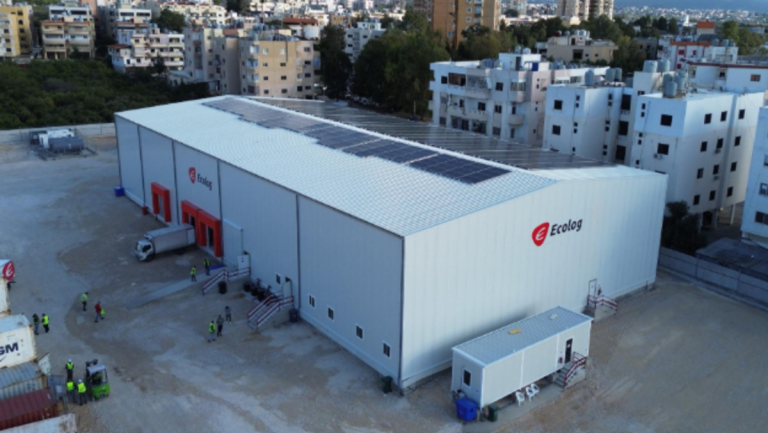
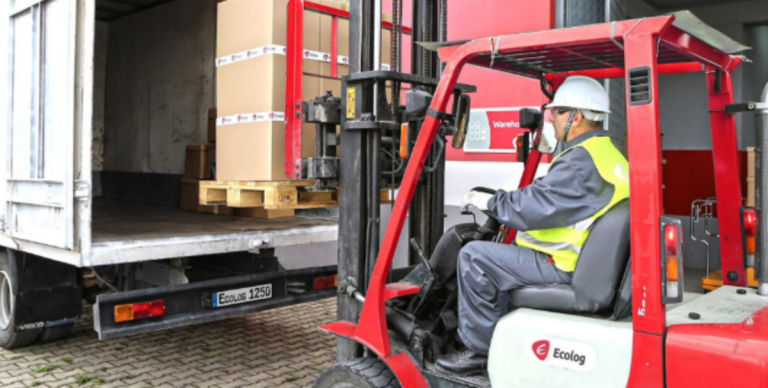
Operating at the intersection of logistics, infrastructure, and humanitarian support, Ecolog International delivers essential services in some of the world’s most challenging environments. From supplying food and non-food goods in remote regions to managing mission-critical logistics and championing supplier innovation, the company’s procurement function plays a vital role in enabling operational success on a global scale.

In this Executive Insight, we speak with leaders across Ecolog’s procurement organisation, including sector heads for food, non-food, logistics, and procurement excellence, to explore how the team drives value, ensures resilience, and aligns sourcing strategy with the company’s growth ambitions. From digitalisation and compliance to supplier diversity, sustainability, and future readiness, this feature highlights the integrated, agile, and impact-driven procurement model powering Ecolog’s global mission.

In this Executive Insight, we speak with leaders across Ecolog’s procurement team, including sector heads for food, non-food, logistics, and procurement excellence, to explore how the team creates value for clients by ensuring reliability, compliance, and efficiency at every stage of the sourcing process. From digitalisation and supplier innovation to sustainability and future readiness, this feature explores the integrated and impact-driven procurement model powering Ecolog’s global mission and empowering clients to operate with confidence and resilience in any environment.

Click below to access the digital version

Procurement’s Strategic Role in Ecolog’s Growth: Ecolog operates across complex and demanding environments, delivering integrated logistics, supply chain, and facility support services that enable critical missions and projects to succeed. How does procurement contribute to the company’s long-term vision and growth strategy, and what role does your team play in enabling this ambition?

Answers from:  Gentian Arnori, Head of Procurement.

At Ecolog, Procurement plays a central strategic role, positioned between our Business Development teams across all verticals and our Operations Department. This positioning allows us to act as a key enabler of the company’s long-term vision. Our primary focus is to support Business Development by identifying, sourcing, and onboarding food, non-food, and logistics suppliers and partners across both new and existing geographies. These partnerships not only help us optimise operations and strengthen performance internally but also enhance the quality, reliability, and value we deliver to our clients worldwide.

We hold regular alignment meetings with Business Development teams, who share early insights into upcoming opportunities. This forward visibility enables us to plan proactively, prioritise effectively, and ensure our actions are both timely and strategic, doing not only things right, but the right things at the right time.

Thanks to the team’s deep operational experience and strong internal communication, we remain highly agile and responsive to changing business needs. Our alignment with Ecolog’s strategic direction is deliberate and continuous. As Head of Procurement, I also look beyond internal capacity and resources. Part of my responsibility is to identify any delivery gaps and close them through targeted outsourcing, ensuring we are always ready to support Ecolog’s ambitions at scale and speed.


Leading Procurement Strategy Across Ecolog:  As Head of Procurement, how do you align Ecolog’s overall sourcing strategy with the organisation’s broader commercial and operational goals across its global footprint?

Our sourcing strategy is closely aligned with the nature of Ecolog’s ongoing projects, the clients we serve, and the new opportunities we intend to pursue. Understanding these drivers is fundamental to ensuring procurement remains tightly integrated with the company’s broader commercial and operational objectives.

We develop procurement plans that emphasise cost efficiency, supply chain resilience, and operational agility. Through close collaboration with our local and regional procurement teams, we are able to tailor sourcing decisions to match operational realities, deliver the best possible outcomes in each context

Several members of my team—myself included—bring a strong operational background to procurement. This experience gives us deep insight into Ecolog’s delivery capabilities, which is instrumental in identifying and onboarding strategic partners across a broad spectrum of outsourced activities. Beyond that, we actively support supplier development, helping our partners expand their service or product portfolios and deliver greater value to our clients.

Our operational insight not only improves procurement efficiency and effectiveness, but also plays a critical role in shaping the operating models of both current and future projects. It ensures that procurement is not just a support function, but a strategic contributor to how Ecolog delivers value on a global scale.


Governance, Compliance & Cross-Functional Collaboration: How do you ensure compliance, transparency, and alignment across teams when managing procurement in complex and highly regulated sectors like defence, mining, and energy?

We uphold strict governance frameworks that align with both industry regulations and our internal policies. These are reinforced by clear documentation protocols and thorough audit trails, ensuring that every procurement decision is both traceable and justifiable. All vendors are subject to rigorous vetting through established platforms like Thomson Reuters and TRACE to ensure compliance with global due diligence standards.

To further strengthen compliance and transparency, we are preparing to launch the Ecolog Vendor Portal. This digital platform will streamline supplier interactions by allowing vendors to register their details, upload certifications and relevant documents, submit invoices, and monitor payment status, all in one place.

Cross-functional collaboration is vital to maintaining consistency and shared accountability. Procurement works closely with Compliance, Legal, and Finance to align on risk assessments and ensure a mutual understanding of regulatory requirements. Systems such as SAP help centralise procurement data, automate approval workflows, and enhance visibility across all departments.

Regular training sessions conducted by the Compliance Department help embed ethical standards and keep all teams updated on regulatory changes. We also perform routine internal reviews and third-party audits to validate our approach and identify improvement opportunities. Our ISO 22000 certification, one of the highest global standards for Food Safety Management Systems, reflects our commitment to operational excellence, transparency, and the trust our clients place in us.


Securing Quality Food Supply in Remote Environments: Food sourcing is a critical and time-sensitive operation, especially in remote or emergency settings. How do you manage supplier networks to ensure quality, safety, and timeliness under pressure?

Answers from:  Bekim Dauti, Head of Food Souring Sector.

At Ecolog, our food supplier network has been continuously developed over the past 15 years, since catering and food supply became a core part of our operations. This long-term approach has allowed us to build strong, reliable partnerships with vendors capable of performing under pressure, particularly in remote or emergency environments.

Ensuring quality, safety, and timely delivery starts with rigorous pre-screening and evaluation during the supplier selection stage. We only work with suppliers and producers who, at a minimum, hold valid and reputable food safety management certifications and operate under strict hygiene protocols. Open, ongoing communication with our suppliers is central to how we collaborate, and we regard them as partners in delivering on our service commitments.

Each supplier engagement is governed by a clearly defined contract outlining the full scope of work, to ensure mutual accountability and transparency. We conduct regular supplier audits that focus on both quality assurance and operational performance, helping us identify risks before they escalate.

To safeguard supply continuity, we actively implement supplier diversification strategies to avoid reliance on a single source. This ensures that even in cases of disruption, whether logistical, geopolitical, or environmental, we can pivot quickly to maintain uninterrupted service to our clients. 


Sustainability and Innovation in Food Procurement: How is Ecolog embedding sustainability, traceability, or innovation in its food sourcing processes, particularly as global expectations around food systems continue to evolve?

At Ecolog, we take the evolving global expectations around food systems very seriously. As a signatory to the United Nations Global Compact (UNGC), the world’s largest corporate sustainability initiative, we have integrated its Ten Principles into our strategies, policies, and procedures, including those relating to procurement and environmental stewardship.

Sustainability is embedded in how we select and work with suppliers. We actively seek to partner with vendors who share our environmental and social commitments, whether that’s operating in greencertified facilities, implementing carbon reduction initiatives, or using recyclable and biodegradable food-grade packaging materials.

Traceability and transparency are also key. We leverage digital technologies to build supply chains that are both transparent and responsible, providing visibility across the full lifecycle of goods. Where possible, we prioritise local sourcing, which reduces transportation-related emissions, strengthens regional supply networks, and improves the freshness and reliability of produce.

Through cross-sector collaboration and a proactive approach to sustainability, we are not only meeting stakeholder expectations but also helping shape a more resilient and ethical food supply model for the future. 


Sourcing Complex Non-Food Goods & Services From construction materials to facility supplies, non-food sourcing at Ecolog is broad and complex. How do you manage category strategies and supplier partnerships to support mission-critical delivery?

Answers from:  Romir Jakupi, Head of Non-Food Sourcing Sector.

Our approach always starts with the delivery location, as this defines the sourcing strategy. Supplying water in Somalia is very different from supplying fuel in Latvia, each commodity and region presents its own set of challenges and requires a tailored approach. For mission-critical items, we secure robust supply contracts and establish backup options to ensure continuity of service. For less critical goods, standard purchase orders may suffice.

Wherever possible, we prioritise local suppliers and actively support their integration into our supply chain. This not only enhances operational efficiency but also strengthens the communities where we operate. When dealing with scarce or highly specialised commodities, we negotiate long-term contracts to lock in prices and volumes, ensuring both cost stability and availability.

By combining flexibility, local engagement, and strategic long-term planning, we are able to maintain reliable delivery standards in even the most complex and remote environments, ultimately ensuring our clients’ operations continue seamlessly under any conditions.

Digitalisation and Supplier Performance in Non-Food: How are you using data, digital tools, or supplier scorecards to track and improve performance in your non-food sourcing categories?

We rely heavily on data-driven tools to monitor and enhance supplier performance across our nonfood sourcing activities. Broadly issuing price requests allows us to benchmark offers across the market and ensure competitiveness. Market fluctuations are quickly reflected in the data, enabling us to evaluate whether suppliers are aligning with expectations.

Using SAP, we generate performance dashboards that highlight trends and flag areas requiring intervention or additional support. Every order is closely tracked against its contractual terms, with detailed records maintained whenever issues arise. At the same time, structured supplier scorecards offer a transparent, consistent record of performance across key metrics.

This integrated approach, blending pricing data, performance trends, and qualitative observations, enables us to identify underperformance, drive corrective actions, and reward suppliers who consistently deliver high standards. It’s a practical and proactive way to ensure that our supplier partnerships contribute meaningfully to operational success.


Navigating Logistics in Challenging Geographies: What are the biggest challenges you face in managing logistics across Ecolog’s diverse and often remote operating environments, and how do you overcome them?

One of the biggest challenges in managing logistics across Ecolog’s diverse and remote environments is dealing with the unexpected. Many of the locations where we operate have limited infrastructure, complex regulatory landscapes, or security and climate conditions that can disrupt supply chains. Moving essential supplies to a base in Africa is very different from supporting operations in Europe or the Middle East, each geography presents its own set of realities.

We overcome these challenges through flexibility, strategic partnerships, and a highly experienced team. Flexibility allows us to adapt quickly when conditions change. Long-term relationships with trusted local and international logistics providers ensure we have both reach and resilience on the ground. Most importantly, our teams are trained to anticipate disruptions and make fast, pragmatic decisions to keep operations running smoothly.

Ultimately, it’s about combining thorough preparation with the ability to problem-solve under pressure. That’s what enables us to deliver consistently and maintain the reliability our clients depend on, no matter how difficult or unpredictable the environment may be.


Enhancing Supply Chain Visibility and Responsiveness: What technologies or strategies is Ecolog investing in to increase end-to-end visibility and responsiveness across the logistics chain?

Answers from:  Cene Jancevski, Head of Logistics Sector.

At Ecolog, enhancing end-to-end visibility and responsiveness means combining the right digital tools with our team’s operational expertise. We take a multi-platform approach to cover every aspect of the supply chain. For temperature-sensitive cargo, we use TempTale monitoring, while platforms like Captain Peter by Maersk and CMA CGM’s eBusiness solution provide real-time transparency for ocean freight and cold chain capacity.

We also leverage multiple booking platforms to streamline the planning and movement of goods, and we use the IATA TACT system to ensure compliance and efficiency in air freight operations. On the ground, when required, we deploy dedicated GPS tracking systems for local trucking to ensure full visibility in the last mile. By integrating these platforms, we avoid a one-size-fits-all model. Instead, we tailor the right tools to the specific context, giving us the agility to respond quickly, uphold accountability, and offer our clients full confidence that their cargo is monitored and protected at every stage of the journey.


Defining Procurement Excellence at Ecolog: What does “procurement excellence” mean at Ecolog, and how are you supporting standardisation, innovation, and capability-building across global teams?

Answers from:  Leutrim Mehmedi, Head of Procurement Excellence Center.

At Ecolog, procurement excellence means establishing a solid foundation for flexible, resilient, innovation-driven, and sustainable procurement across diverse geographies. The Procurement Excellence Center plays a central role in this effort, continually evolving to support multiple clients
with varying product and service needs, all tailored through a wide network of regional suppliers.

Standardisation is critical, especially in industries that operate across remote and varied environments. Our teams ensure that processes such as quotation management, data integration, utilisation, and reporting are managed in a unified and proactive format. This consistency allows us to replicate and deliver services efficiently across different regions using trusted supplier networks.

Ultimately, the Procurement Excellence Center serves as a vital link between client requirements, regulatory compliance, sustainability objectives, product cost management, and long-term organisational growth, ensuring procurement remains both a strategic driver and an enabler of value.


Measuring Value Beyond Cost: How do you define and measure procurement success beyond savings, such as value creation, risk mitigation, sustainability, and supplier innovation?

At Ecolog, procurement success extends far beyond cost savings, especially given the complexity and scale of the projects we support. Our primary objective is to create long-term value through layered partnerships with suppliers. This includes co-developing solutions, fostering mutual innovation, and integrating both teams into the research and product design process. These collaborative efforts consistently prove to be both sustainable and commercially rewarding.

We also address risk mitigation by replicating proven sourcing methods across multiple regions, strengthening supply chain resilience amid global uncertainty and economic volatility. In this way, procurement functions as a strategic enabler of innovation, continuity, and lasting impact, not just a driver of cost efficiency.


Future Trends and Advice for the Next Generation Looking ahead, what key trends do you believe will shape the future of procurement, logistics, and global sourcing? And what advice would you give to professionals aspiring to build a career in this dynamic and high-impact industry?

Supply chain functions are not only here to stay, they are becoming more central to organisational success than ever before. However, they must continuously evolve to keep pace with rapid technological and digital transformation. Advancements such as real-time translation powered by
AI will streamline cross-regional communication, while procurement teams will benefit from broader access to data, research, and highly tailored solutions from manufacturers and service providers.

That said, technology alone is not the solution. To truly unlock its value, organisations must foster a culture of continuous learning, empowering procurement professionals to embrace new tools, adopt agile mindsets, and integrate innovation into daily decision-making.

For those entering or advancing in this field, procurement offers an exceptional career path that blends strategic thinking, operational delivery, and supplier collaboration. The skills gained are widely transferable, whether you grow within the profession or apply them across other areas of business.

The future belongs to those who remain curious, adaptable, and committed to mastering this evolving landscape. Procurement isn’t just about sourcing, it’s about shaping resilient, forward-looking supply chains that drive sustainable progress across industries.

In Association with:

Akomar Logistics delivers personalised freight forwarding and logistics solutions with a strong focus on flexibility, reliability, and customer care. Operating across ocean, air, and road freight, as well as customs and project logistics, Akomar blends modern systems with a hands-on, people-driven approach. The team’s expertise and attention to detail ensure efficient, transparent, and tailored service from start to finish. More than just moving goods, Akomar builds long-term partnerships, combining impact with attention.

www.akomar.nl

Alconet Containers, based in the Port of Rotterdam, is a global leader in the buying, selling, and servicing of shipping containers. They offer both new and used units, along with container-related products and services such as storage, modification, repair, and transport. With a commitment to quality and flexibility, Alconet partners with customers worldwide to provide tailored and reliable container solutions for logistics, infrastructure, and supply chain needs.

www.alconet-containers.com

Kudumija, founded in 1989, is a market leader in Southeast Europe specialising in manufacturing professional tents, halls, and aluminium-frame structures. With over 110,000 m² of installations across Europe and a skilled team of more than 90, Kudumija delivers solutions for events, industrial storage, and infrastructure applications. Renowned for quality and reliability, they partner internationally and serve clients through modular, versatile, and weather-resistant designs.

www.kudumija.com

Carnes Félix is a leading Spanish meat processor and wholesaler, specializing in beef, pork, poultry, and lamb for both domestic and international markets. With over 40 years of experience, they manage state-of-the-art refrigerated storage facilities, advanced processing lines, and strict food safety systems—including Halal-certified operations. Their operations span Europe and key global meat markets, all while maintaining a commitment to quality, reliability, and tailored customer service.

www.carnesfelix.com

Global RTS designs, manufactures, rents, and sells mobile structures for commercial, industrial, event, military, and humanitarian use. They specialise in tents, halls, awnings, and modular systems offering full services including transport, installation, dismantling, repair, and cleaning. With flexible solutions and comprehensive support, they serve clients across sectors with efficiency and reliability.

www.global-rts.bg/en

DDM Solutions specializes in premium cleaning and packaging products for professional use across industries. Their portfolio includes cleaning chemicals, hygiene supplies, packaging materials, equipment, waste management, and personal protective gear. Committed to quality and innovation, they serve businesses with reliable, high-performance products and tailor-made solutions to meet strict standards and operational needs.

www.ddmsolutions.lv

From Insight to Foresight: Fernando Figiacone on the Strategic Power of Supply Chain Analytics

Fernando Figiacone interview on supply chain analytics

With over 25 years of experience leading supply chain operations across Latin America and Africa, Fernando Figiacone has witnessed firsthand the shift from reactive to predictive supply chain management. Now equipped with executive training from MIT, Stanford, and Cambridge in Supply Chain and Generative AI, he brings a forward-thinking perspective on how advanced analytics is transforming procurement, logistics, and manufacturing. In this Executive Insight, Fernando explores how data accuracy, predictive modelling, and cross-functional alignment are driving smarter, more resilient supply chains in an increasingly volatile world.


How are you leveraging supply chain analytics to predict future challenges?


Advanced analytics allows organisations to shift from reactive to proactive decision-making. In my experience, it has been instrumental in identifying inefficiencies on manufacturing lines, optimising logistics routes in real-time, and enhancing procurement decisions by combining internal cost models with external market trends.

But beyond operational improvements, the real power of analytics lies in its ability to build trust in data-driven decisions. When teams see tangible results, not just theoretical benefits, analytics become embedded in the culture. It’s no longer just a tool, but a mindset that drives more efficient, informed, and confident decision-making across the entire supply chain.


What supply chain analytics data do you prioritise for accurate predictions?


Beyond price and delivery times, which are always essential,I prioritise consistency, responsiveness, and strategic alignment. Key metrics include on-time-in-full (OTIF), lead time variability, quality defect rates, and how quickly suppliers respond to corrective actions.

But it’s equally important to go beyond the metrics. A supplier might perform well on paper but struggle during moments of disruption. That’s why I also assess agility, digital readiness, and willingness to collaborate. In today’s volatile environment, these qualitative factors are just as critical as quantitative ones for ensuring long-term performance and resilience.


How has data analytics helped you mitigate risks in your supply chain?


In today’s uncertain environment, supply security has become a top priority. Data analytics is essential, not just for reacting to risks, but for anticipating and mitigating them through structured, informed decision-making.

For example, analytics enables us to identify vulnerabilities in critical materials and proactively develop alternative suppliers. By combining historical performance data, quality metrics, and financial indicators, we can quickly and objectively evaluate new sources, often in close collaboration with Manufacturing teams.

Analytics also plays a key role in working capital management. By simulating different inventory and payment scenarios, we can strike the right balance between ensuring supply continuity and maintaining cash flow discipline.

Ultimately, analytics has become a strategic enabler. It allows us to detect risks earlier, collaborate more effectively with suppliers, and build resilient, data-driven partnerships.


How do you ensure data accuracy and reliability in your procurement process?


Ensuring data accuracy in procurement begins with establishing clear ownership and governance across key functions, typically Procurement, Finance, and IT. It’s essential that master data is aligned across systems to maintain consistency and support a single version of the truth.

Simplicity also plays a vital role. By streamlining data entry, automating inputs wherever possible, and embedding validation rules into procurement workflows, we reduce errors and significantly improve data reliability.

Transparency is another key factor. When teams understand how their data influences supplier evaluations, negotiations, and planning decisions, accountability naturally increases, and so does data quality over time.

Crucially, organisations must recognise that the effectiveness of advanced analytics depends on the quality of the data feeding it. Too often, businesses rush to apply data science tools without first clearly defining the problem or ensuring the underlying data is accurate and complete. Investing in data quality is just as important as investing in analytics capabilities, it’s the foundation for trustworthy insights and smarter decisions.


Can you share examples of how predictive analytics has improved supply chain outcomes?


There are numerous use cases across the supply chain, spanning Manufacturing, Logistics, and Procurement, where predictive analytics has delivered measurable results.

In Procurement, demand forecasting models have been instrumental in anticipating material shortages, particularly for critical packaging and raw materials. This foresight enables teams to adjust order volumes, activate alternative suppliers, or renegotiate terms before disruptions occur.

In Logistics, predictive models that incorporate traffic, weather, and historical performance data help optimise delivery routes, reduce delays, and improve service reliability. Meanwhile, in Manufacturing, predictive maintenance algorithms detect early signs of equipment failure, significantly reducing unplanned downtime and extending the lifecycle of key assets.

These improvements go far beyond efficiency gains, they directly enhance supply chain resilience, cost optimisation, and service levels to customers.

Apple’s $100B Manufacturing Investment: A Procurement Strategy Anchored in National Resilience

Apple has unveiled a monumental $100 billion commitment to manufacturing in the United States, aiming to fortify its domestic supply chain through a new American Manufacturing Program (AMP). This bold procurement initiative not only advances Apple’s supply resilience but sets a new benchmark for strategic sourcing, supplier engagement, and local investment.

Building the Backbone of American Manufacturing

Through AMP, Apple is investing in new and existing partnerships with US-based suppliers such as Corning, Texas Instruments, Coherent, GlobalWafers America, Broadcom, and Amkor. These partners cover a critical range of components from wafers and lasers to chip packaging and silicon fabrication creating a comprehensive, end-to-end supply chain rooted in the US.

Notably, Apple is now the first and largest customer of TSMC’s Arizona-based fab, securing one of the most advanced semiconductor production pipelines in America. Complementing this, Corning will expand its Kentucky facilities to produce every iPhone and Apple Watch cover glass domestically, supported by a new Apple-Corning Innovation Center.

Why This Matters to Procurement Professionals

Apple’s AMP serves as a masterclass in strategic procurement transformation. Procurement leaders should take note of three key themes:

1. Supplier Ecosystem Engineering: Apple is not just sourcing products it’s co-building capacity. Investing in supplier infrastructure, like Amkor’s Arizona packaging facility and Corning’s glass expansion, creates shared value and supplier alignment.

2. Nationalisation for Risk Reduction: Bringing supply chains closer to home mitigates geopolitical risks, logistics delays, and component shortages. Apple’s investments enhance resilience while contributing to national economic development.

3. Long-Term Partnerships as Leverage: By locking in long-term agreements with partners such as TI and GlobalFoundries, Apple secures not only supply but innovation influence. Procurement here is shaping the future of hardware ecosystems.

ESG and Workforce Procurement Impacts

Beyond physical components, Apple is also investing in talent. The new Apple Manufacturing Academy in Detroit will upskill small and medium-sized suppliers, integrating AI and advanced manufacturing practices. This expands the definition of procurement to include talent and capability sourcing.

Additionally, Apple’s renewable energy commitments and data centre expansions (like in North Carolina) demonstrate how sustainability goals can be baked into sourcing decisions from the outset.

Closing Insights

Apple’s $100 billion investment is more than a supply chain upgrade—it’s a statement on what modern procurement can achieve. For procurement leaders, the message is clear: investing in local ecosystems, co-developing supply capacity, and securing long-term strategic alliances are no longer optional—they’re essential for future-proofed operations.

About Apple

Apple Inc. is one of the world’s largest technology companies, known for the iPhone, Mac, and other flagship products. It partners with thousands of suppliers across all 50 US states and supports more than 450,000 jobs across its supply and partner network.

Have a Story to Share?

At The Procurement Ledger, we share stories of strategic sourcing that shape industries and communities. If your organisation is innovating through supplier partnerships, local sourcing, or transformative procurement strategies, we’d love to hear your story.

Join Our Community

Subscribe to The Procurement Ledger for insights on how procurement strategy is evolving in an age of AI, sustainability, and global complexity.

The Procurement Ledger Named Official Media Partner of ProcureCon EU

The Procurement Ledger is proud to announce its role as official media partner to ProcureCon EU, one of Europe’s most influential gatherings of senior procurement leaders and innovators.

This strategic collaboration reinforces our shared commitment to elevating procurement excellence, accelerating best-practice exchange, and spotlighting those who are reshaping the future of the function across the continent.

The Procurement Ledger is delighted to announce its appointment as an official media partner of ProcureCon EU 2025 — Europe’s flagship event for Chief Procurement Officers and senior sourcing leaders.

About ProcureCon EU

Now in its 25th year, ProcureCon EU brings together over 300 C-suite procurement professionals representing Europe’s largest and most forward-thinking organisations. Held annually, the event is recognised for its high-impact networking, case study-driven agenda, and practical sessions led by global procurement pioneers.

From digital transformation and supplier innovation to value creation, talent, sustainability and risk — ProcureCon EU has become the definitive European platform to benchmark strategies, unlock new ideas, and shape the future direction of the function.


A Shared Mission — How the Partnership Came About

The Procurement Ledger has long been committed to championing procurement excellence and giving voice to the leaders driving meaningful change across the profession.

Following the work of ProcureCon events and after conducting a recent interview with the ProcureCon EU team, where we explored their vision for this year’s programme, it became clear that our missions were fully aligned:

  • ProcureCon EU continues to curate the most relevant topics and speakers for senior procurement leaders.
  • The Procurement Ledger continues to serve as a trusted editorial partner in moving those conversations forward.

This shared passion for insight, leadership and impact naturally led to a formalised strategic media partnership — one that will bring even more depth, access, and value to our collective communities.

What This Means for Our Audience

As media partner, The Procurement Ledger will be working closely with the ProcureCon EU team to deliver:

  • Pre-event interviews with speakers and organisers
  • Exclusive on-site coverage and updates
  • Thought-leadership features and post-event analysis
  • Enhanced visibility of the key innovations, challenges and success stories shaping European procurement today

Hear From the Organisers — Read Our Interview

To kick off the partnership, we sat down with the ProcureCon EU team to go behind the curtain on this year’s event, uncovering the biggest trends and strategic priorities procurement leaders need to be watching.

👉 Read the full interview here: https://theprocurementledger.com/procurecon-eu/

Stay tuned as we bring you more updates, features and insights in the run-up to ProcureCon EU — and see you in Barcelona!

Equinix’s Strategic Energy Procurement: Securing SMRs for AI-Powered Data Centres

Equinix, a leading global data centre operator, is redefining energy procurement by entering long-term power purchase agreements for advanced nuclear energy solutions. The company has inked deals with multiple next-generation energy providers—including Oklo, Radiant, ULC‑Energy, and Stellaria—for up to 1 GW of power sourced from small modular reactors (SMRs) and microreactors, signalling a procurement strategy focused on reliability, sustainability, and resilience.

A New Procurement Frontier for Clean Baseline Power

In one of its most forward-looking procurement moves yet, Equinix secured 500 MW of energy from Oklo’s Aurora fission-based reactors and pre-ordered 20 Radiant Kaleidos microreactors that offer rapid deployment and operational flexibility. In Europe, the company signed a Letter of Intent with ULC‑Energy for 250 MWe to be generated via Rolls‑Royce SMRs in the Netherlands. Additionally, a 500 MWe pre-order agreement with Stellaria, developers of molten-salt Breed & Burn reactors, shows Equinix’s commitment to diversifying its energy sources.

Procurement Meets Sustainability and Security

As AI workloads continue to drive exponential electricity demand, traditional renewable sources face challenges in delivering uninterrupted power. SMRs and microreactors offer a zero-carbon, baseload solution that complements renewables, all while insulating supply chains from grid instability. Equinix’s Chief Procurement Officer, Ali Ruckteschler, emphasised the need for strategic energy sourcing—highlighting that this procurement approach lays the groundwork for both infrastructure reliability and net-zero commitments.

Why It Matters to Procurement Leaders

This deal illustrates a shift in procurement priorities. For procurement professionals, especially those in energy-intensive industries, the key insights are clear:

  • Strategic Supplier Diversification: Partnering with innovative energy developers (SMR, microreactor specialists) showcases how procurement can future-proof supply chains.

  • Aligning ESG Objectives with Supply Decisions: By choosing nuclear-powered energy, procurement leaders demonstrate how environmental goals can be integrated into strategic sourcing.

  • Risk and Resilience Management: Securing reliable power through direct procurement enables organisations to buffer against grid limitations, enhancing operational continuity.

This approach underscores that modern procurement extends beyond price and delivery—it now requires foresight into emerging infrastructure and regulatory landscapes.

Closing Insights

Equinix’s SMR and microreactor procurement strategy is not just an energy play—it is a blueprint for how procurement teams can lead transformational resilience. As enterprise-scale energy demand grows, sourcing will become as strategic as manufacturing or logistics. The companies that move ahead strategically—partnering with energy innovators—will lead the way in sustainable and dependable digital infrastructure.

About Equinix and Strategic Energy Vendors

Equinix operates over 250 data centres globally, serving as a backbone for digital interconnection and cloud services. It has already achieved 96 percent renewable energy coverage and aims for 100 percent by 2030.
Oklo, Radiant, ULC‑Energy, and Stellaria represent a new breed of energy partners, innovating with SMRs and advanced energy systems that align with modern procurement goals.

Have a Story to Share?

At The Procurement Ledger, we share stories of strategic sourcing that shape industries and communities. If your organisation is innovating with energy procurement or supplier collaboration, we’d love to hear your story.

Join Our Community

Subscribe to The Procurement Ledger for insights on how procurement strategy is evolving in an age of AI, sustainability, and global complexity.