Transforming Procurement into a Strategic Engine: Ashraf Odeh on Building a High-Performance Function at Mezzan Holding Co.
In a diversified organisation spanning food manufacturing, packaging, catering, and FMCG distribution, procurement plays a critical role in ensuring operational stability, cost discipline, and long-term value creation. At Mezzan Holding Co., procurement has evolved from a decentralised transactional activity into a strategic function supporting growth across multiple markets and business units.
Ashraf Odeh, Head of Central Procurement at Mezzan Holding, has been instrumental in driving this transformation. With nearly two decades of experience across sectors including agriculture, cement, dairy, and large-scale food manufacturing, he brings a pragmatic approach to procurement leadership rooted in governance, collaboration, and digital enablement.
Since joining Mezzan in 2021, Odeh has led the creation of a centralised procurement organisation, implementing structured policies, advanced digital tools, and stronger supplier partnerships. In this conversation, he shares insights into building a high-performing procurement function, strengthening supply chain resilience, and embedding sustainability across a complex FMCG and manufacturing ecosystem.
Click below to access the digital version:
Career Journey & Leadership Philosophy: Can you share your career journey and what led you to your role as Head of Central Procurement at Mezzan Holding Co.? What experiences have most influenced your approach to leading procurement within a diversified FMCG and manufacturing group?
I have built a 19-year career across strategic procurement, transformation, and supplier partnership management within FMCG, dairy, poultry, manufacturing, and real estate sectors. I began my career in real estate procurement before moving into industrial sourcing within the cement sector. I later spent nearly a decade at Almarai, where I led procurement for direct materials across farming, feed, and bakery operations.
These diverse environments shaped my ability to manage complex sourcing portfolios, drive cross-functional transformation, and deliver value through structured governance and category strategies.
At Mezzan Holding, I joined with a clear mandate: to establish and lead a central procurement function from the ground up, unify sourcing across multiple business units and countries, and elevate procurement into a strategic, group-wide enabler of performance. This aligned strongly with my passion for building systems, developing people, and driving operational excellence.
Interestingly, my procurement career began unintentionally. After graduating as an Agricultural Engineer, industry disruptions limited opportunities in animal production. A role in real estate procurement opened the door, and what began as a necessity evolved into a long-term career in supply chain leadership.
Three experiences have particularly shaped my leadership philosophy. First, having end-to-end responsibility where procurement directly impacts product quality, animal welfare, food safety, and cost competitiveness reinforced the importance of disciplined processes and strong supplier collaboration. Second, leading major transformation initiatives involving governance frameworks, policies, KPIs, and digital procurement tools highlighted the value of transparency and data-driven decision-making. Finally, managing multi-sector complexity at Mezzan strengthened my belief in balancing standardisation with the flexibility required to support diverse business models.
Procurement’s Role in FMCG & Manufacturing Excellence: Mezzan operates across food manufacturing, catering, packaging, and FMCG distribution. How does your procurement function support operational excellence across these diverse business verticals and ensure consistency in quality, speed, and cost performance?
Our procurement operating model is built on three core pillars.
The first is standardised governance. Policies, SOPs, KPIs, and reporting frameworks create consistency across food manufacturing, packaging, and distribution operations.
The second pillar is category expertise combined with strategic sourcing. We develop category strategies tailored to each vertical, whether commodities, food ingredients, packaging materials, capital expenditure, logistics, or indirect services.
The third pillar is strong collaboration with operations. Procurement works closely with demand planning, manufacturing, quality, research and development, and finance teams to ensure consistent product quality, competitive pricing, reliable lead times, and reduced supply risk.
This structured approach enables us to support operational excellence while addressing the distinct needs of each business model within the group.
Building a High-Performing Procurement Function: Since joining Mezzan, what have been your key priorities in elevating procurement capability, processes, and governance across the group?
When I joined Mezzan in 2021, procurement was largely decentralised, with inconsistent processes and limited visibility across the organisation. My initial priorities focused on building a central procurement function and establishing strong governance.
We created a central procurement department from the ground up, developing organisational structure, policies, SOPs, KPIs, and executive dashboards to improve spend visibility and decision-making.
Stakeholder engagement was also critical. We worked to position procurement as a strategic support function, improving communication with business leaders and strengthening alignment with operational priorities.
Supplier relationship management was another priority. We introduced more structured collaboration with suppliers, ensuring transparency, protecting the interests of both Mezzan and its partners, and encouraging long-term strategic arrangements.
Process standardisation followed, including improvements to the PR to PO cycle, on-time-in-full delivery compliance, cost savings calculations, budget participation, contracting practices, supplier onboarding, and annual business review programmes.
Digital transformation also played a major role. We digitised purchase requests and approvals, implemented Shipsy for shipment visibility, introduced materials categorisation, developed payment request workflows, and aligned procurement processes with SAP S/4HANA.
Finally, we invested heavily in people and capability building through targeted hiring, upskilling programmes, and relocating key talent closer to operational sites. Together, these initiatives transformed procurement into a centralised, strategic, and performance-driven function.

Visionary Leadership Recognition: You were recently recognised in Dubai as one of the Top 20 Procurement Visionaries. How did this recognition reflect the evolution of procurement at Mezzan?
This recognition reflects the collective efforts of the entire procurement team rather than my leadership alone.
It represents how far Mezzan’s procurement journey has progressed, moving from a decentralised transactional function to a strategic capability that contributes directly to cost optimisation, supply continuity, and digital transformation.
The award validates several elements of our transformation, including the governance frameworks we established, our sourcing excellence, the progress made in digital procurement tools, and the collaborative partnerships we have built with suppliers.
For me, it represents a milestone in our ongoing transformation journey and a recognition of the team’s commitment to building procurement capabilities that compete at global standards.
Supplier Collaboration & Value Creation: Given Mezzan’s extensive supplier ecosystem across the GCC, what strategies are you using to build deeper partnerships with suppliers?
Our supplier partnership strategy focuses on long-term value creation rather than purely transactional cost reduction.
We conduct annual business reviews with key suppliers to evaluate performance and define joint improvement plans. We also continuously develop alternative sourcing options to mitigate supply risks and support cost optimisation.
Joint initiatives with suppliers often focus on cost reduction, product innovation, and service improvement. In addition, strengthening payment governance has helped build trust and reinforce long-term collaboration.
Supplier segmentation is another important element. We classify suppliers as strategic, preferred, or transactional, allowing us to manage relationships according to their importance to the business.
Transparent communication and sharing of demand forecasts further strengthen collaboration, ensuring suppliers can plan capacity effectively and maintain high service levels.
Digital Transformation & Procurement Excellence: How is Mezzan leveraging digital tools, automation, or analytics to elevate procurement performance?
We are currently executing a multi-phase digital procurement strategy aimed at improving visibility, efficiency, and decision-making.
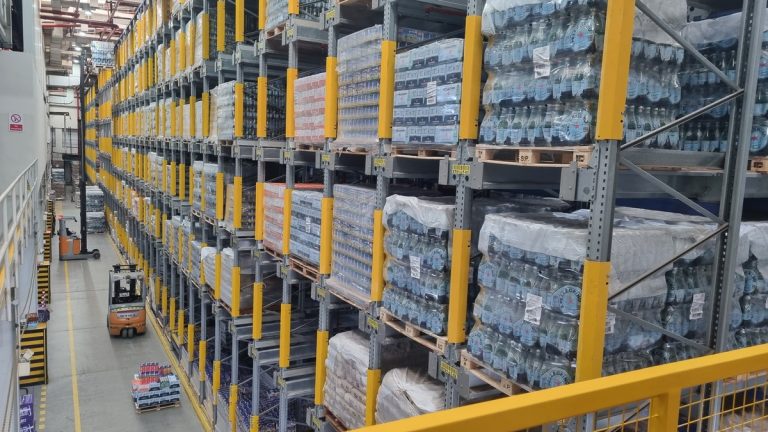
Several initiatives have already been implemented. Shipsy provides end-to-end shipment visibility, while automated email notifications alert suppliers immediately when purchase orders are approved. We have also implemented SAP scheduling agreements and contract management tools, enhanced vendor onboarding workflows, and digitised the letter of credit request and issuance process.
The next phase of our roadmap includes redesigning procurement processes within SAP S/4HANA, introducing AI-enabled sourcing assistants, implementing digital supplier performance scoring, and automating the PR to PO cycle for catalogue items.
We are also developing executive procurement dashboards and automated savings tracking to provide leadership with real-time insights into procurement performance. This digital roadmap will make procurement faster, more transparent, and increasingly predictive.
Risk Management & Supply Chain Resilience: How does your team manage supply chain risk across such a diverse operating environment?
We manage supply chain risk through an integrated framework designed to maintain resilience across multiple sectors and markets.
One important element is the development of alternative sourcing options across critical categories, supported by dual sourcing strategies for high-risk items. This reduces dependency on single suppliers and strengthens supply continuity.
We also continuously monitor geopolitical developments, freight conditions, and commodity price movements to anticipate potential disruptions.
Supplier risk scoring is another key tool. We evaluate suppliers based on financial stability, operational capability, product quality, and service reliability.
Close collaboration with demand planning and logistics teams ensures early visibility of potential issues and enables proactive mitigation. This structured approach allows us to maintain operational continuity even during global supply shocks.
Sustainability & Responsible Sourcing: How is Mezzan embedding sustainability into procurement decisions?
Sustainability is integrated into procurement across four primary areas.
First, packaging optimisation initiatives aim to reduce plastic usage, introduce lightweight materials, and redesign packaging where possible.
Second, ethical sourcing standards are reinforced through a supplier code of conduct, compliance verification, and documentation requirements.
Third, suppliers are expected to meet ESG expectations related to quality, safety, and responsible sourcing practices.
Finally, we focus on waste reduction through improved purchasing planning, more accurate demand forecasting, and better inventory turnover.
Suppliers play a critical role in achieving these objectives, as many sustainability improvements depend on collaborative innovation across the supply chain.
Procurement Challenges in FMCG & Diversified Groups: What are the biggest procurement challenges in managing sourcing for a diversified organisation like Mezzan?
Managing procurement across a diversified group presents several challenges. One of the most significant is balancing centralisation with business unit autonomy. Different business units often operate at different maturity levels and require varying degrees of procurement support.
Ensuring data integrity and process consistency across the organisation is another challenge, particularly when multiple systems or operating models exist. Procurement must also align its objectives with broader commercial, operational, and financial priorities, which may differ between business units. Additionally, lead times, regulatory requirements, and supply risks vary significantly across categories and markets. The solution lies in establishing a strong governance framework while maintaining flexible processes that can adapt to the unique characteristics of each business unit.
Advice for Aspiring Procurement & Supply Chain Leaders: What advice would you give to professionals looking to advance their careers in procurement?
Future procurement leaders should first master the fundamentals, including cost management, supplier performance, and quality control. Equally important is developing a deep understanding of the business beyond procurement itself. Strong collaboration with finance, operations, and suppliers is essential to delivering real value.
Professionals should also invest in digital and analytical skills, as data-driven decision-making is becoming increasingly important in modern procurement. Finally, leaders must focus on developing their teams. Procurement success depends heavily on people, and building capable, motivated teams is one of the most important responsibilities of any leader.
Procurement leadership today is not simply about buying at lower cost. It is about creating value, enabling growth, and building resilient supply chains that support long-term business success.
Ecosystem Partners
Companies supporting and shaping this feature’s wider story.
Sino Tomato Products Co., Ltd.
Sino Tomato Products Co., Ltd. specialises in the planting, processing and export of tomato products for food manufacturers, distributors and consumer brands across Southeast Asia, Europe, the Middle East and Africa. Operating from Inner Mongolia, the company combines a stable agricultural supply chain with modern processing facilities and exports more than 15,000 tonnes of tomato products annually to over 30 countries.
As part of the Mezzan ecosystem, Sino Tomato supports food manufacturing through reliable tomato products, controlled sourcing and consistent quality assurance. Its portfolio includes tomato paste in multiple brix specifications, pasta sauces, diced tomatoes and customised solutions designed for a range of food manufacturing applications.
Visit Sino Tomato: www.sinotom.com
Advait Agrotech Private Limited
Advait Agrotech Private Limited is an agricultural supplier specialising in premium-grade potatoes for food manufacturers producing fries and chips. The company supplies across international markets including Oman, UAE, Kuwait, Qatar, Malaysia, Indonesia, Vietnam, Saudi Arabia, Mauritius, Seychelles, Hong Kong, Bahrain and Jordan, while working with approximately 700 farmers each year.
As part of the Mezzan ecosystem, Advait Agrotech supports food production with specialist potato supply designed for consistent frying and processing performance. Its international supply network and extensive grower base provide the scale and agricultural capability required to serve large food manufacturing markets.
Visit Advait Agrotech: www.advaitagrotech.com